

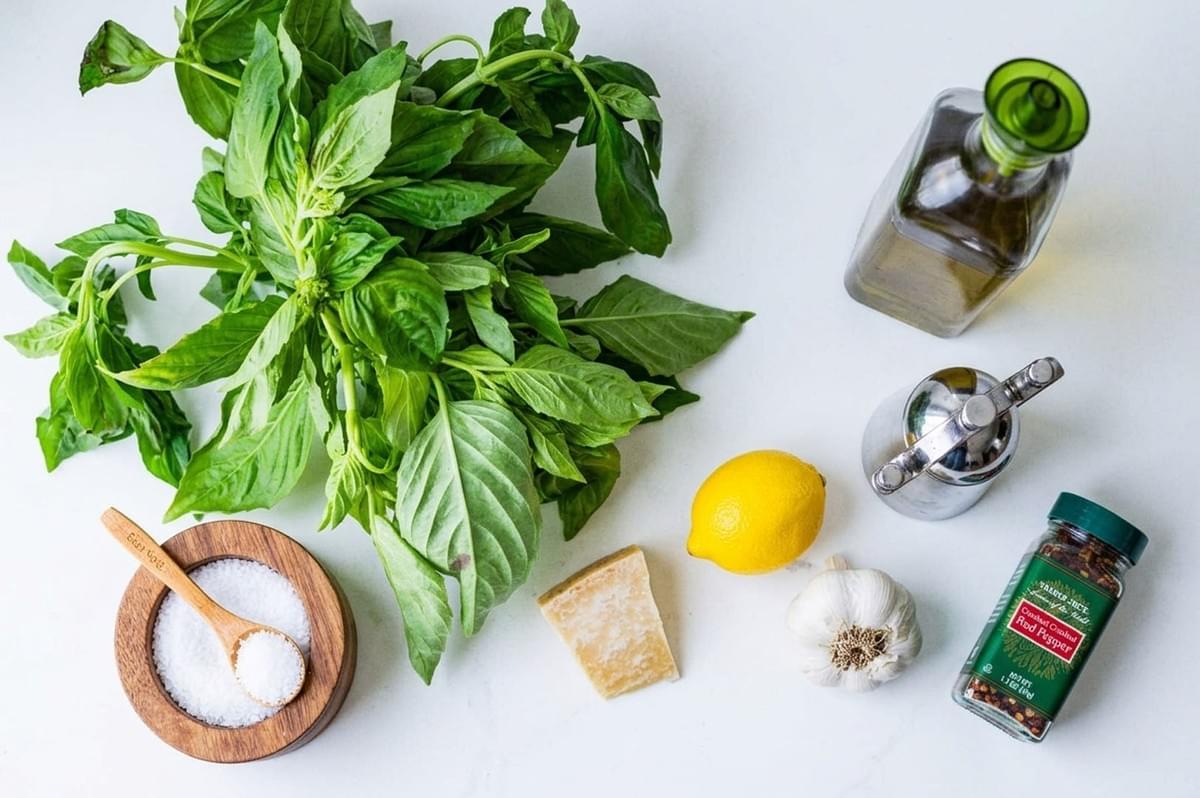
When the weather turns warm, summer basil arrives in overwhelming abundance. Whether you are picking up giant bouquets from the local farmers market or watching your own garden overflow, this fragrant herb is the undisputed champion of the season. However, that abundance often comes with a few familiar frustrations. You bring a beautiful bunch into your kitchen, and within two days, the leaves are wilting, turning black, or developing a bitter edge. You find yourself staring at the counter and wondering what to do with all of it before it spoils.
If you have ever felt overwhelmed by a massive basil harvest, you are in the right place. This guide is designed to help you confidently manage and maximize your summer basil. We will cover exactly how to store basil so it stays vibrant for days. We will dive into the techniques for making a bright green basil pesto that never turns brown. We will also explore the process of making safe, flavorful infused oils, and we will wrap up with a list of incredibly fast weeknight meals. Let us bring the best out of this beautiful summer staple.
What Makes Summer Basil Special
To cook well with basil, it helps to understand how it behaves. The signature aroma of basil comes from highly volatile essential oils trapped inside the leaves. These aromatic compounds are delicate and fleeting. When you expose fresh basil to prolonged, direct heat, those volatile oils evaporate rapidly. This is why adding fresh basil to a simmering sauce at the beginning of the cooking process leaves you with almost zero basil flavor by the time dinner is ready.
Bruising is another major factor. When the cellular walls of a basil leaf are crushed or torn roughly, enzymes are exposed to oxygen. This causes rapid oxidation, leaving you with unappetizing brown edges. Treating the leaves gently is not just about aesthetics. It is about preserving the pure, sweet flavor.
While there are many varieties available, Genovese basil (often labeled as sweet basil) is the standard for Italian cooking. It features large, tender, cupped leaves and a flavor profile that balances sweet, peppery, and slightly minty notes. By contrast, Thai basil features sturdier, pointed leaves with purple stems and delivers a pronounced licorice and anise flavor. While Thai basil is spectacular in curries and stir-fries, Genovese basil is the variety you want for classic pesto and Italian-inspired weeknight meals.
Buying, Prepping, and Storing Basil for Peak Flavor
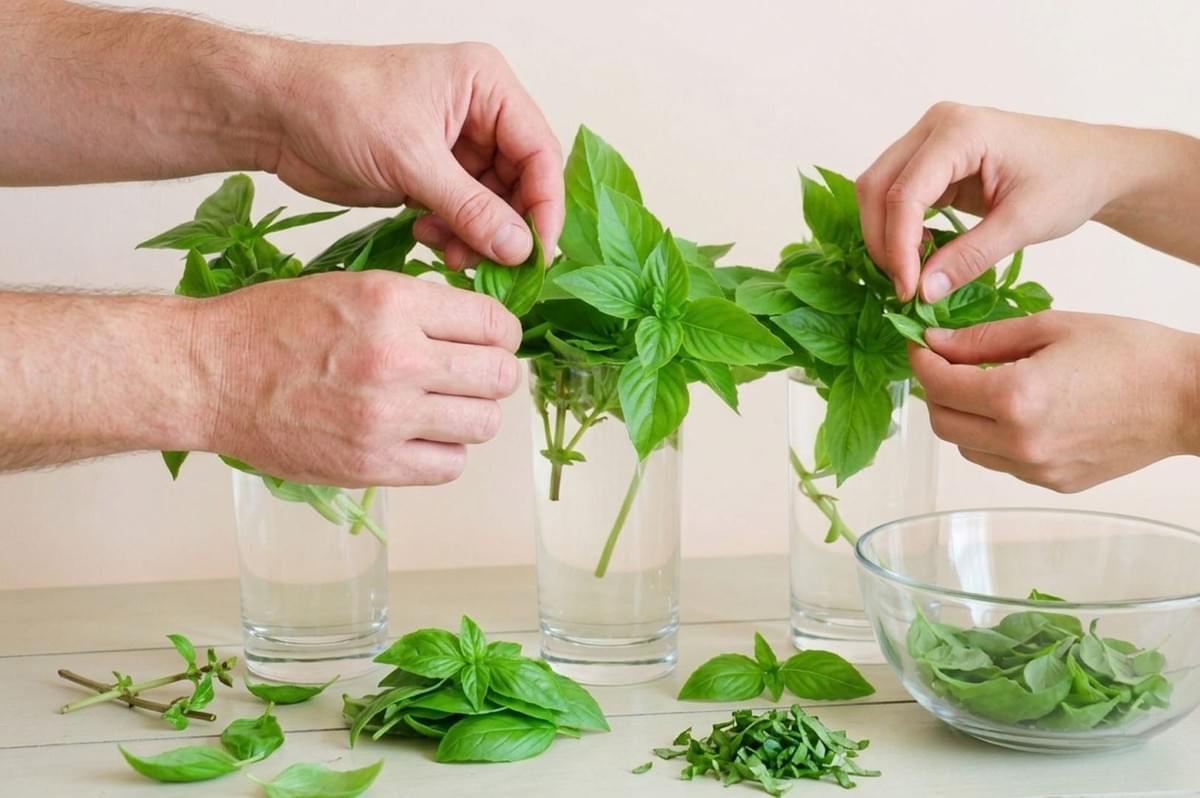
Learning how to store basil correctly will completely change your weeknight cooking routine. Basil is notoriously finicky, but a few practical steps will keep it fresh and ready to use.
Choosing and Washing
When shopping for bunches, look for bright green leaves without any dark spots or slimy edges. The stems should feel firm and hydrated, not floppy.
When you bring your basil home, handle it like fragile lettuce. Fill a large bowl with cool water and gently submerge the leaves to loosen any dirt or sand. Lift the basil out of the water rather than pouring the water over the leaves in a colander, which can cause bruising. To dry the leaves, lay them flat on a clean kitchen towel and gently pat them dry, or use a salad spinner on a very slow, gentle setting.
Short-Term Storage (The Jar Method)
The refrigerator is actually the worst place for fresh basil. The cold, dry air causes the cellular structure to break down, resulting in leaves that turn completely black overnight.
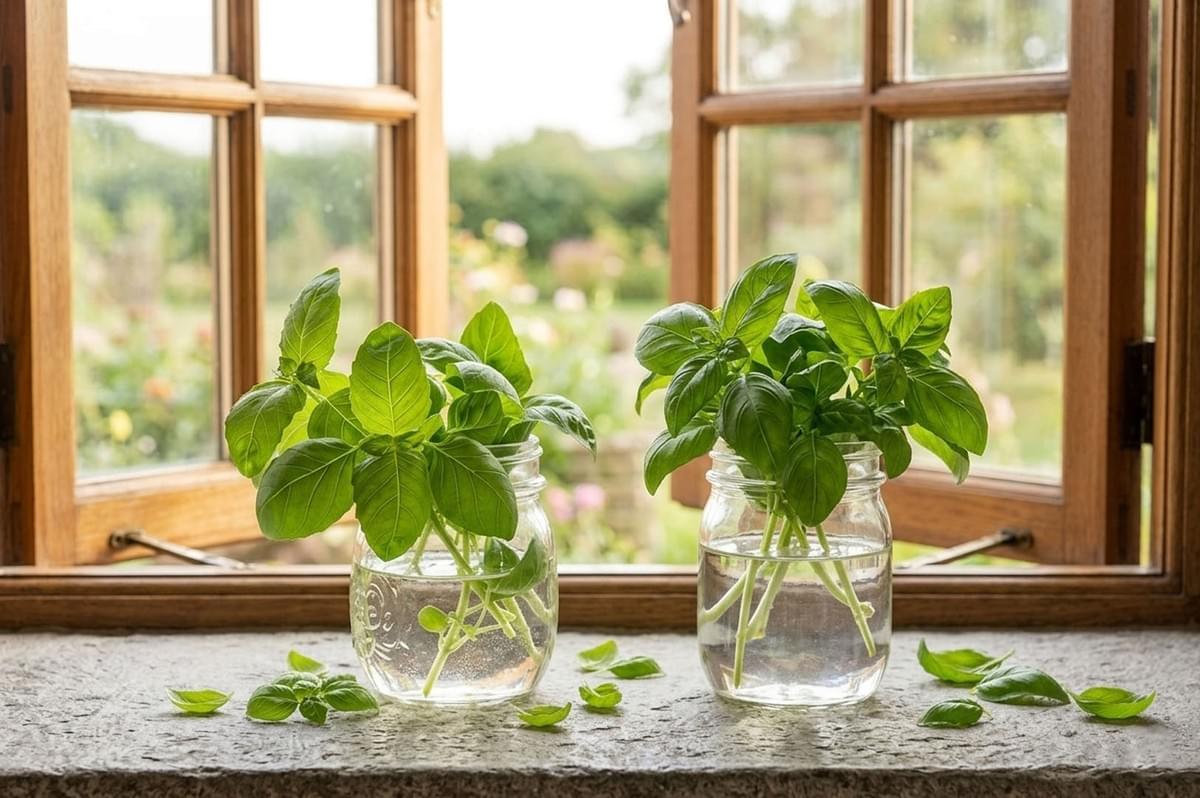
Instead, treat your basil exactly like a bouquet of cut flowers. Trim the very bottom of the stems with sharp scissors. Place the bunch in a glass jar filled with an inch or two of room-temperature water. Keep the jar on your kitchen counter away from direct, harsh sunlight. For extra protection against dry indoor air, you can loosely drape a plastic produce bag over the top of the leaves like a miniature greenhouse. Change the water every other day, and your basil will stay happy and hydrated for up to a week.
Freezing Options
If you cannot use your harvest fast enough, freezing is your best preservation tool. You have a few great options:
- Whole leaves: For a quick fix, layer dry, unwashed leaves between sheets of parchment paper in a freezer-safe bag. They will emerge limp but are perfectly fine for dropping into hot soups or sauces.
- Blanched: To preserve the bright green color, dip the leaves in boiling water for exactly three seconds, immediately plunge them into ice water, squeeze them dry, and freeze.
- Pesto cubes: The absolute best way to freeze basil is to process it into a paste with a little olive oil (or make a full pesto) and freeze it in silicone ice cube trays. Once frozen solid, transfer the cubes to a zip-top bag for easy portioning.
Pesto That Tastes Bright (and Stays Green)
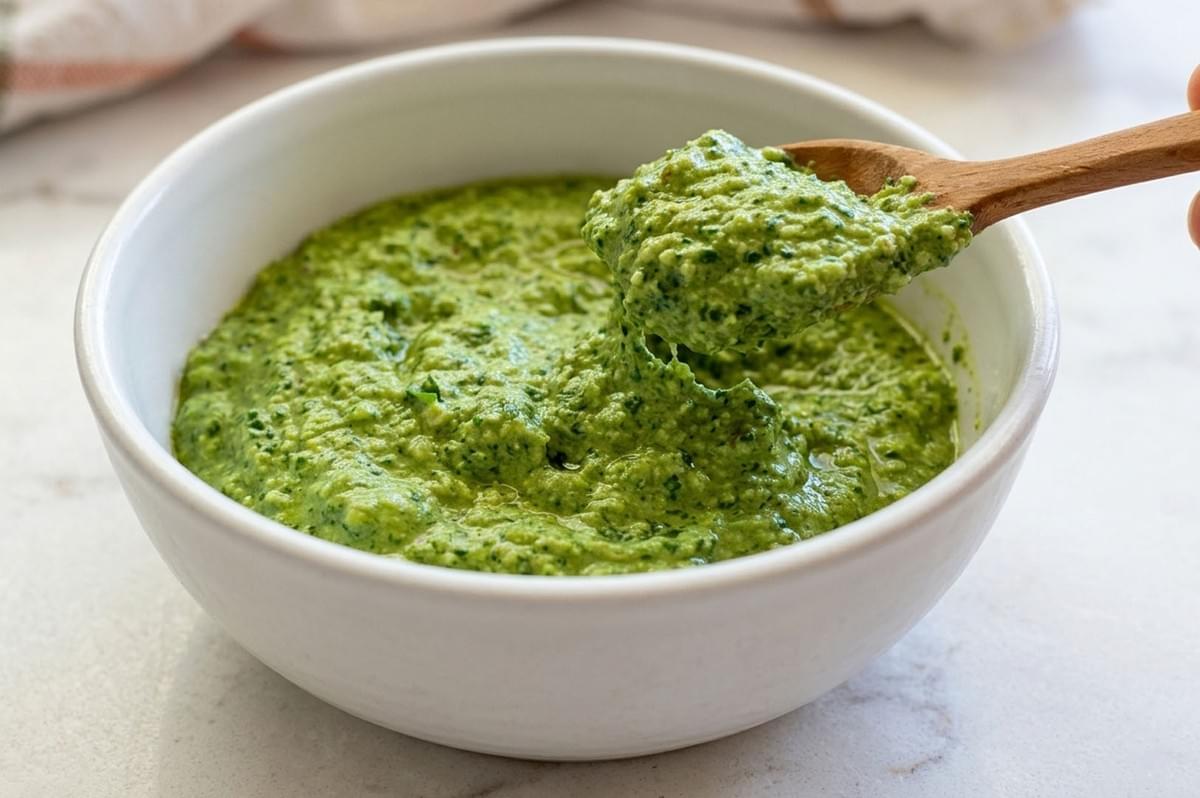
A great basil pesto is a balancing act of five key ingredients. You need the fresh herbaceous note of the basil, the rich mouthfeel of a quality fat (olive oil), the nutty structure of pine nuts or walnuts, the salty, umami bite of aged cheese, and a tiny splash of acid to brighten the entire mixture.
Preventing the Dreaded Brown Pesto
There is nothing more disappointing than blending a beautiful batch of pesto only to watch it turn a muddy, oxidized brown an hour later. The culprit is heat and oxygen. When the blades of your food processor spin, they create friction. That heat accelerates the browning process.
To prevent this, chill your food processor blade and bowl in the refrigerator for twenty minutes before you begin. Use cold, high-quality extra virgin olive oil. Process the ingredients using short, quick pulses rather than letting the machine run continuously. If you are incredibly dedicated to preserving the color, you can blanch the basil leaves in boiling water for a few seconds before blending, though this does sacrifice a small amount of raw flavor.
When storing pesto in a jar or container, always smooth the top with a spoon and pour a thin, solid layer of olive oil over the surface. This creates an airtight seal that completely stops oxidation.
Variations and Storage
You do not have to stick to the classic recipe. For a nut-free version, substitute roasted pumpkin seeds (pepitas) or sunflower seeds. For a dairy-free variation, replace the parmesan cheese with a few tablespoons of nutritional yeast and a small squeeze of fresh lemon juice. You can also mix your herbs, replacing half the basil with fresh spinach, arugula, or flat-leaf parsley.
Fresh, homemade pesto will keep in the refrigerator for up to five days if sealed properly with an oil layer. For longer storage, rely on the freezer cube method mentioned above.
Basil-Infused Oil: Flavor, Method, and Safety
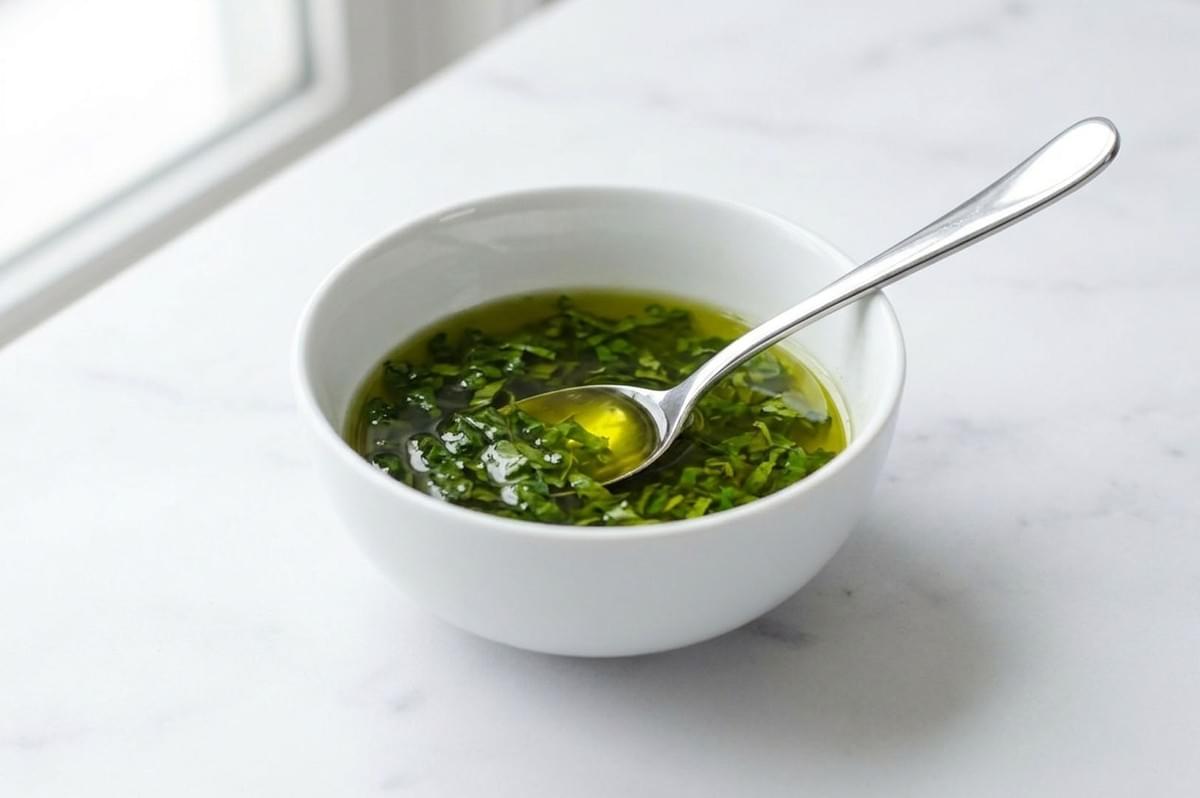
Basil-infused oil is a luxurious finishing touch for salads, grilled bread, and roasted vegetables. However, making herb-infused oils at home requires strict attention to food safety.
Two Approaches to Infusion
There are two primary ways to infuse oil. The quick-use cold infusion involves simply bruising fresh basil leaves and submerging them in olive oil. This yields a very mild flavor and is meant to be used on the exact same day.
The heat-assisted infusion extracts much more flavor and creates a vibrant green oil. To do this, blanch two cups of basil leaves, squeeze them completely dry, and blend them aggressively with one cup of neutral oil or mild olive oil. Transfer the mixture to a small saucepan, simmer it very gently over low heat for exactly five minutes, and then strain the entire mixture through a fine-mesh sieve lined with a coffee filter. Discard the solid leaves.
Crucial Safety and Storage Guidelines
We must discuss a serious food safety concern. Storing fresh herbs and fresh garlic in oil creates an oxygen-free (anaerobic) environment. Fresh basil and garlic contain moisture and naturally occurring soil bacteria. When trapped in an oxygen-free environment at room temperature, this creates the perfect breeding ground for botulism, a severe and potentially fatal toxin.
To mitigate this risk entirely, you must follow these safe practices:
- Always strain the solid vegetable matter out of your infused oils.
- Keep your strained basil oil stored in a sealed jar in the refrigerator at all times.
- Never leave homemade herb or garlic oils sitting out on the kitchen counter.
- Make small, manageable batches.
- Use your refrigerated infused oil within three to four days maximum, and discard any leftovers after that window.
If this timeline feels too short, simply skip the infusion process entirely. Instead, use fresh basil as a finishing garnish alongside a drizzle of high-quality, plain extra virgin olive oil right at the table.
Quick Weeknight Wins
When you have abundant summer basil, weeknight meals become infinitely more exciting. Here are ten practical, fast ways to utilize your harvest.
- Tomato-basil skillet pasta: Sauté cherry tomatoes in a hot skillet until they burst, toss in hot cooked pasta, and fold in two large handfuls of torn fresh basil just before plating.
- Basil vinaigrette: Blend a handful of fresh basil leaves into your standard olive oil and white wine vinegar salad dressing for an instant, vibrant upgrade.
- Summer minestrone finish: Ladle hot vegetable soup into bowls and stir a generous spoonful of fresh pesto directly into the broth to add richness and an intoxicating aroma.
- Pesto grilled cheese: Spread a thick layer of pesto on the inside of your sourdough bread before adding mozzarella and provolone cheese, then grill until golden and melting.
- Basil-forward yogurt dip: Finely mince fresh basil and fold it into plain, whole-milk Greek yogurt with a pinch of garlic powder and lemon zest for a cooling dip for raw vegetables.
- Caprese chicken breasts: Grill chicken breasts, top them with a slice of fresh mozzarella and a thick slice of summer tomato, cover until melted, and finish with a shower of thinly sliced basil.
Wrapping Up the Season
Handling summer basil does not have to be a race against the clock. By understanding how this delicate herb reacts to cold temperatures, heat, and bruising, you can easily keep your harvest fresh and flavorful.
Remember to store your bunches in water on the counter, process your pesto with cold ingredients to maintain that brilliant green color, and always practice safe storage habits if you decide to make infused oils.
Most importantly, let this seasonal abundance inspire you to keep your weeknight meals simple, fresh, and bright. Enjoy the cooking process, trust your senses, and have a wonderful time experimenting in your kitchen.
