

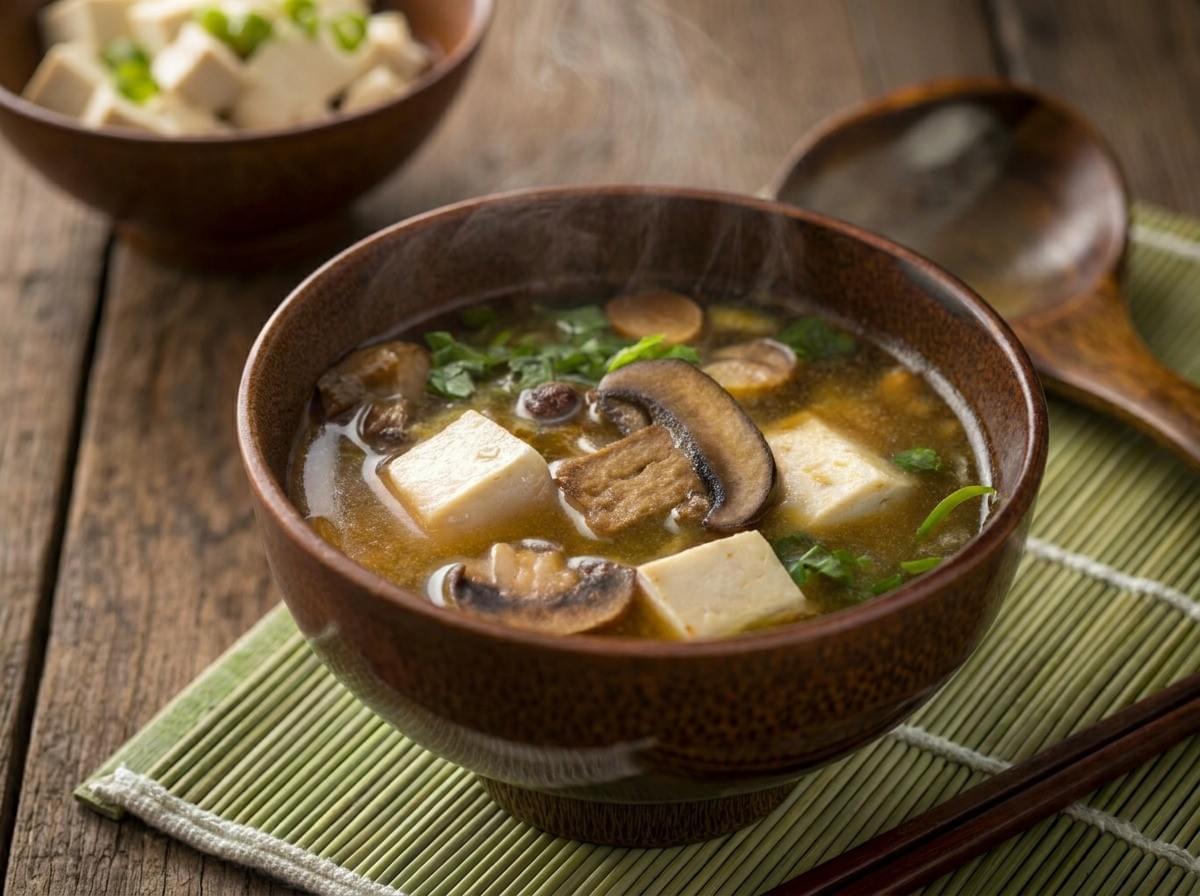
Some mornings ask for very little.
This is miso soup. Not a project. Not a performance. Just a bowl that has been made in Japanese homes, quietly and daily, for a very long time.
It comes together in about twenty minutes. You need a handful of ingredients and one small piece of patience: do not let it boil once the miso goes in. That is the whole secret, really. Let me walk you through the rest.
A Little About Miso Soup
Miso soup is everyday food in Japan. It shows up at breakfast beside rice, alongside dinner, tucked into a bento morning. It is comfort in its plainest, most honest form.
At its heart sit two things: dashi and miso.
Dashi is the broth, the quiet foundation. It carries that savory depth (umami) that makes the soup taste like more than the sum of its parts. Traditional dashi is often made from kombu, a dried kelp, and bonito flakes, which are dried, shaved fish. You can make it from scratch in minutes, or reach for instant dashi granules on a busy day. Both are honest choices.
Miso is fermented soybean paste, and it comes in a few personalities. White miso (shiro) is mild and a little sweet. Red miso (aka) is bolder and saltier. Awase is a blend, and a friendly place to start. One thing holds true across all of them: miso does not like a hard boil. High heat dulls its flavor and its living character. We keep the heat gentle, always.
What You'll Love About This Recipe
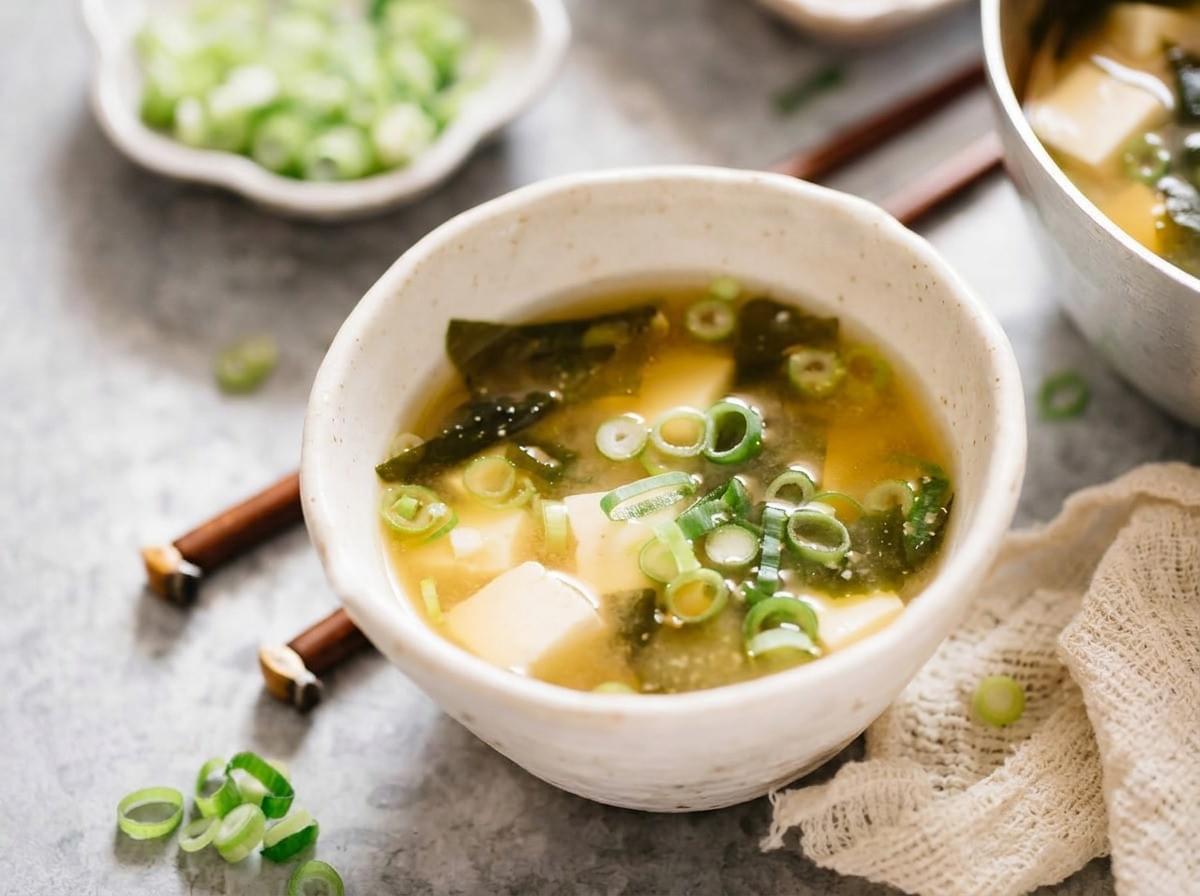
- It comes together in about 20 minutes, start to finish.
- The ingredient list is short and budget-friendly.
- It is endlessly customizable.
- It is cozy and light at the same time.
- It pairs beautifully with rice or a simple side.
- It scales up or down without any fuss.
Ingredients, With a Few Notes
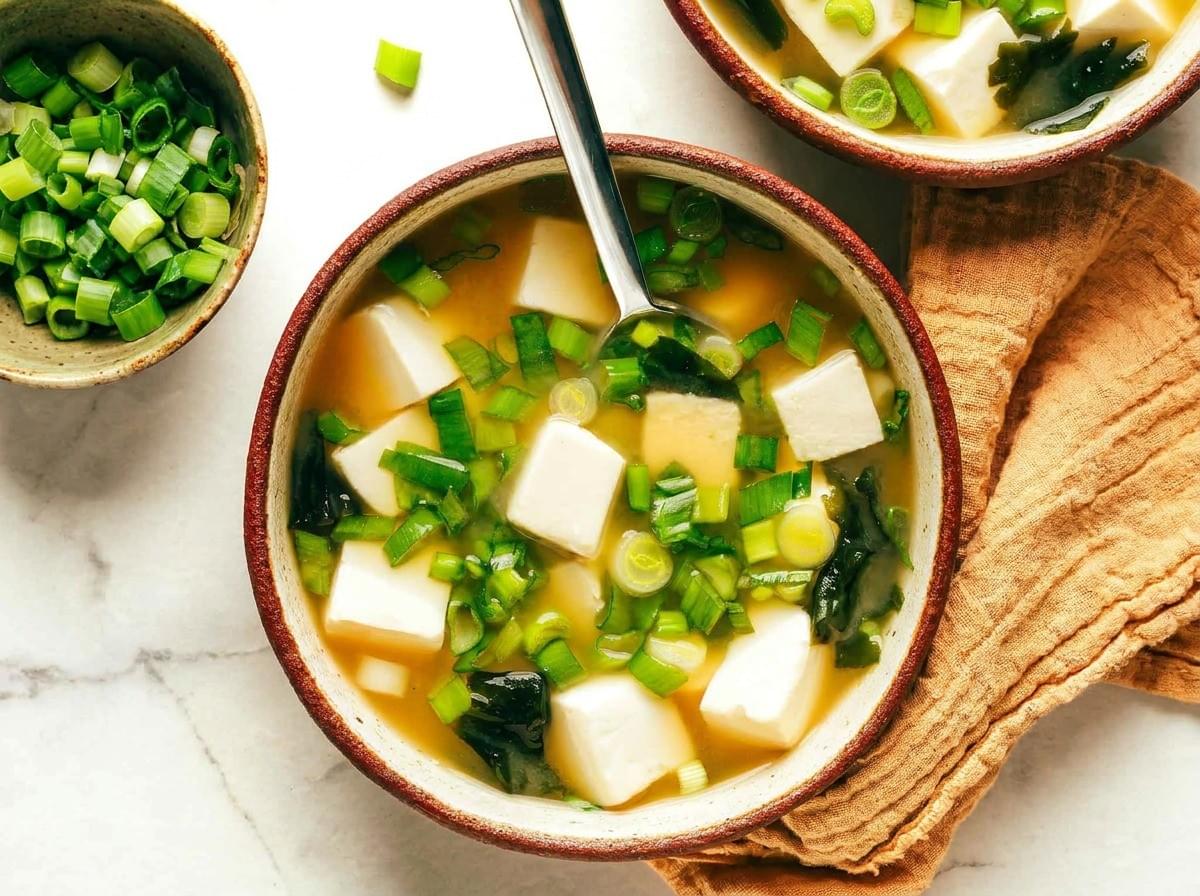
Here is what you need for a small home batch, plus tips to help you along.
For the dashi (pick one method):
- Instant dashi: 1 teaspoon dashi granules dissolved in 4 cups (960 ml) water. Quick, reliable, ready in seconds.
- Kombu and bonito dashi: 4 cups (960 ml) water, one piece of kombu (about 4 inches), and a generous handful (about 1/2 cup) of bonito flakes. A little more effort, a lovely reward.
For the soup:
- 3 tablespoons miso paste. White or awase is gentle and beginner-friendly. Start here.
- 1/2 block (about 7 oz / 200 g) silken or soft tofu, cut into small cubes. Silken is delicate, so cut it right in your hand with a knife, or on the block, then slide the cubes in gently.
- 2 tablespoons dried wakame. It looks like very little, but it swells a lot, so resist the urge to add more.
- 2 scallions, thinly sliced, for finishing.
Optional add-ins (a small, friendly list):
- Sliced mushrooms (shiitake or enoki)
- A handful of spinach
- Aburaage (fried tofu pouches), sliced
- A sprinkle of sesame seeds
- A few drops of chili oil, if you like a whisper of heat
How to Make Miso Soup
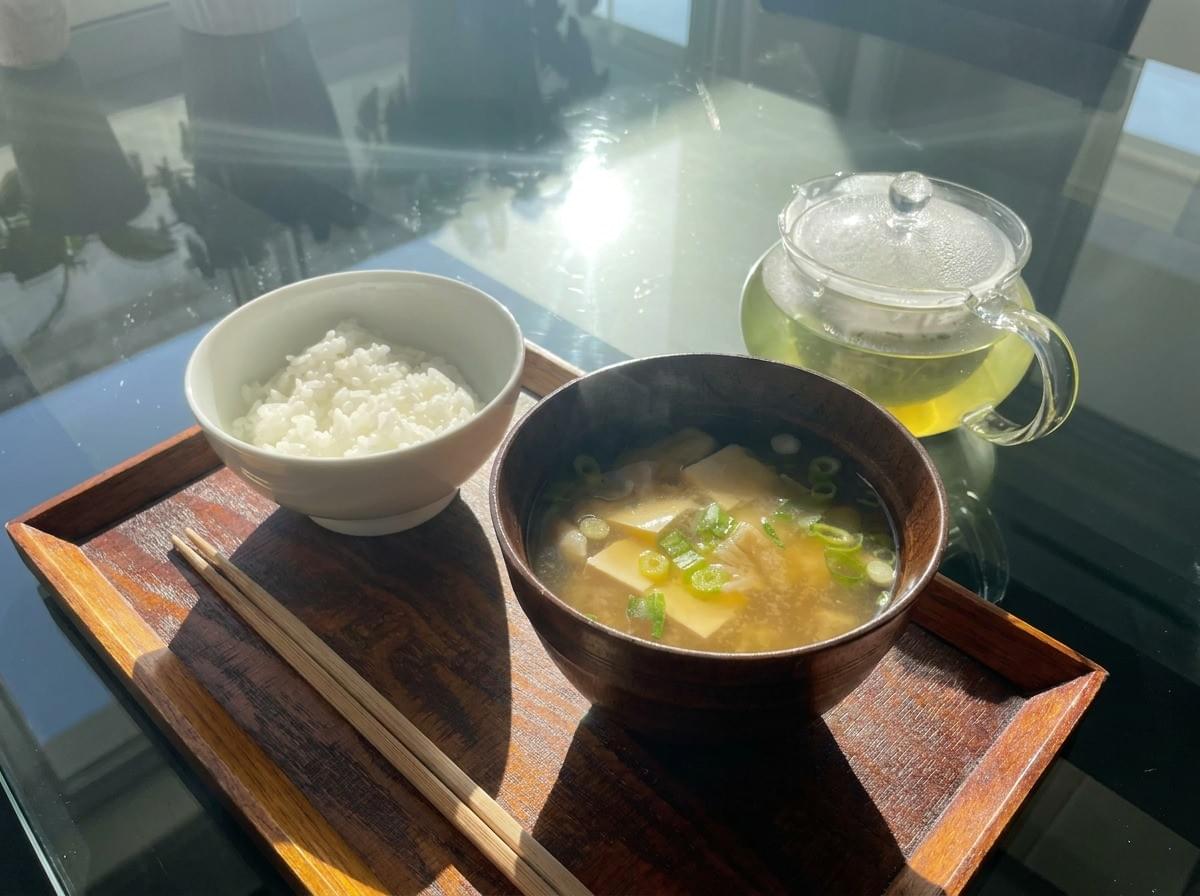
Read through once, then let's cook. It moves quickly, so have everything close by.
1. Make or mix the dashi
Instant: Stir the dashi granules into the water in a pot. Done.
From scratch: Put the kombu and water in a pot and heat gently over medium-low. Just before it reaches a boil, lift out the kombu. Add the bonito flakes, turn off the heat, and let them steep for a few minutes until they sink. Strain, and you have clear, fragrant dashi.
2. Rehydrate the wakame
Put the dried wakame in a small bowl and cover it with cool water. Let it soak for about 5 minutes. It will unfurl and soften into tender green ribbons. Drain it, and set it aside for later.
3. Warm the broth and add the tofu
Bring the dashi to a gentle simmer over medium heat, never a rolling boil. Slide in the tofu cubes and let them warm through for a minute or two. Handle them kindly here. A soft nudge, not a stir.
4. Temper the miso
This is the step that makes all the difference. Do not drop miso straight into the pot.
Instead, put the miso in a ladle or a small bowl. Add a spoonful of the hot broth and whisk or stir until the miso dissolves completely and smoothly. Then pour that back into the pot and stir gently. Tempering this way spreads the miso evenly and keeps it from clumping.
5. Keep the heat low
Once the miso is in, keep the heat low and warm the soup through without letting it boil. This protects the flavor and the gentle character of the miso. A soft steam is exactly what you want, not bubbles.
6. Add the wakame
Stir in the rehydrated wakame right at the end, just to warm it. It only needs a few seconds. Added too early, it softens too far and loses its lovely bite.
7. Taste and adjust
Give it a taste. Want it deeper? Whisk in a little more miso (tempered, of course). Still shy on savor? A tiny splash of soy sauce helps, but go slow. Miso already carries plenty of salt, so taste first.
Ladle into bowls, scatter the scallions on top, and serve right away.
Chef Tips and Common Mistakes
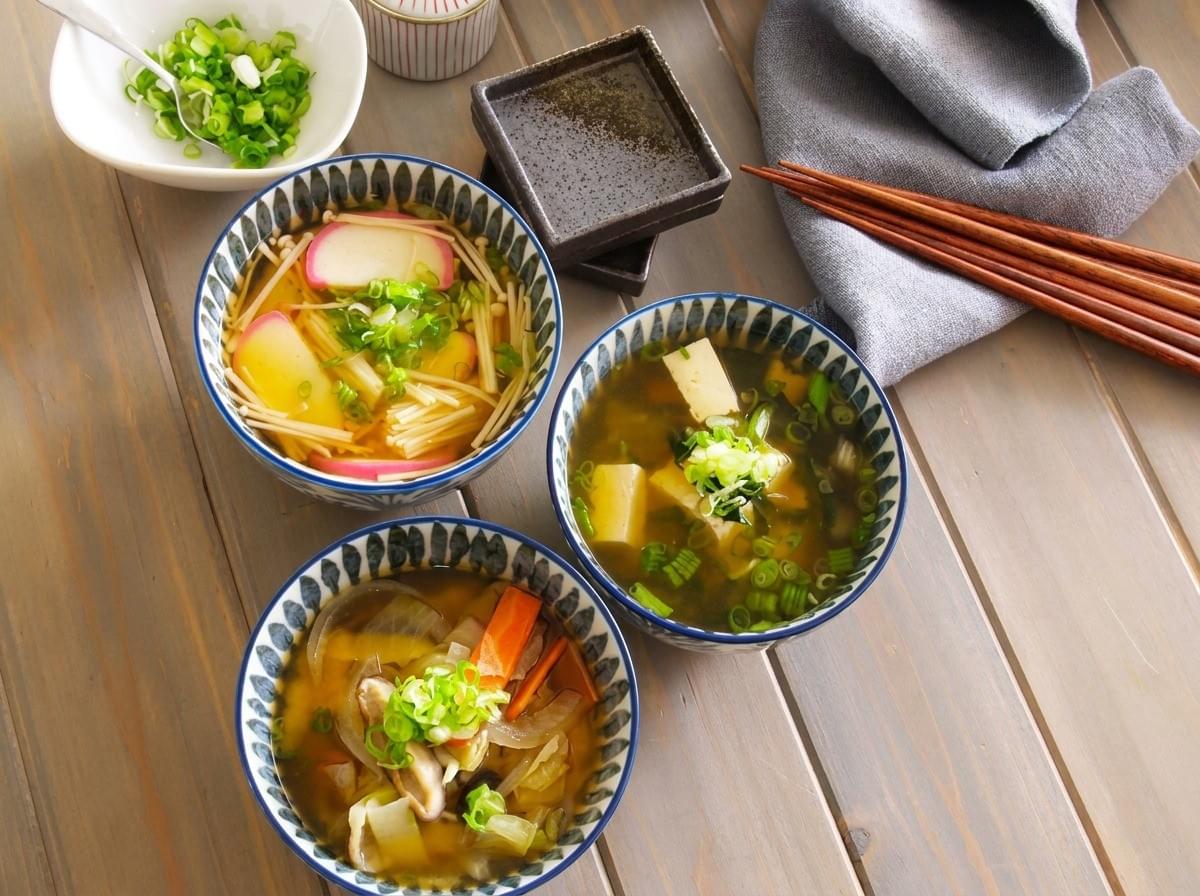
A few small things separate good miso soup from a great one.
- Do not boil the miso. This is the big one. A hard boil dulls the flavor and thins the whole experience. Keep it gentle after the miso goes in.
- Do not stir the tofu hard. Silken tofu crumbles at the slightest rough handling. Slide it in, nudge it softly, and let it be.
- Do not over-salt without tasting. Miso brands vary in saltiness, so always taste before adding soy sauce or more miso.
- Do not overcook the wakame. Add it at the very end. It wants warmth, not a long swim.
- Temper, always. Dissolving miso in a ladle of broth first keeps it smooth and clump-free.
Variations to Try
Once you know the basic bowl, it opens up in all sorts of directions.
- Mushroom miso soup. Add sliced shiitake or a tangle of enoki to the simmering dashi for an earthy, deeper bowl.
- Spinach or napa cabbage. Stir in a handful of greens near the end for color and a little softness.
- Clam miso soup. A different mood altogether. Simmer clams in the dashi until they open, then temper the miso in. Briny and beautiful.
- Udon miso bowl. Add cooked udon noodles for something heartier, closer to a full meal than a side.
- Vegan dashi. Skip the bonito and make dashi from kombu and dried shiitake instead. Soak them together, then warm gently. Deeply savory, entirely plant-based.
- Aburaage miso soup. Add sliced fried tofu pouches for a soft, satisfying chew.
What to Serve With Miso Soup
Miso soup rarely stands alone. It is a quiet companion to a larger table.
- A bowl of steamed rice, the classic pairing
- Onigiri (rice balls), simple and filling
- Tamagoyaki, the gently sweet rolled omelet
- A cool cucumber salad, dressed lightly
- Grilled fish for something more substantial
- A spread of small bento-style sides
Storage and Reheating
Miso soup is happiest fresh, but it keeps for a short while.
- Store it in an airtight container in the fridge for up to 2 days. If you can, keep the broth and miso separate, and temper the miso in only when you reheat. The flavor stays brighter that way.
- Reheat gently over low heat. Warm it through, but do not let it boil.
- A small note on wakame: it grows a little stronger and softer as it sits, so day-two soup will taste a touch more of the sea.
One Last Bowl
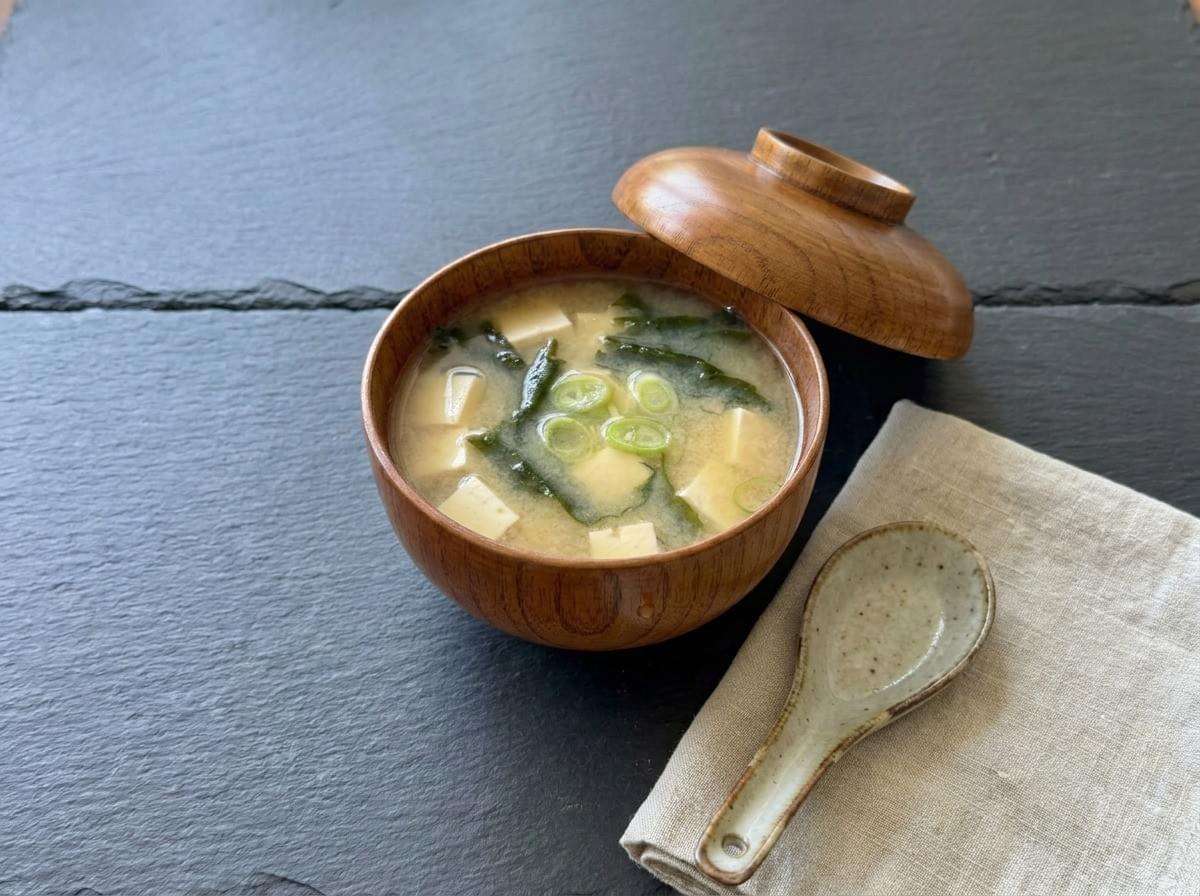
Some meals are made to impress. This one is made to steady you.
A bowl of miso soup does not ask for a special occasion. A slow morning, a tired evening, a rainy afternoon when you want something warm in your hands. Any of those will do.
Make a pot this week, then come tell us about it over at Our Food Rhythms. We would love to know which miso you reached for, and what you slipped into your bowl.
