

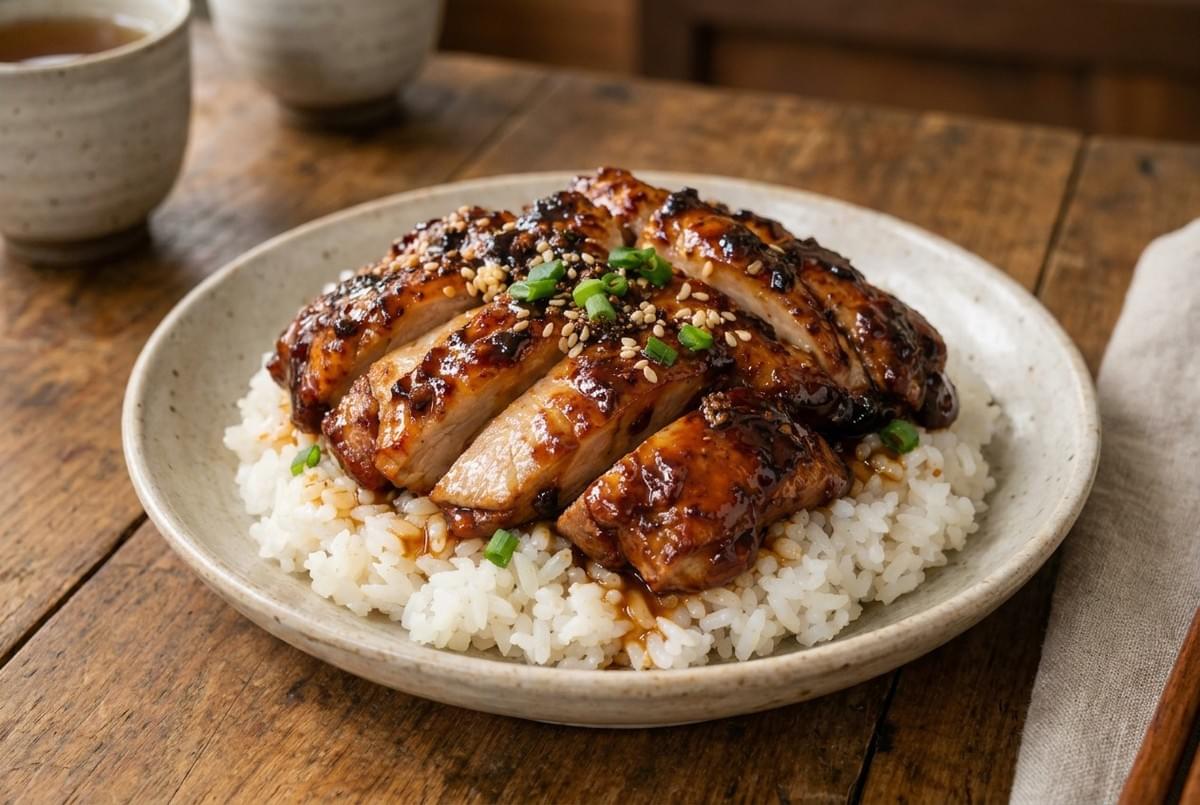
It was a Wednesday, and the fridge was nearly bare.
A pack of chicken thighs. A bottle of soy sauce with the label half peeled off. A knob of ginger that had seen better days. Nothing that felt like a plan.
But some dinners do not need a plan. They just need a hot pan and a little patience.
Twenty minutes later, there was a sizzle, then a smell that pulled everyone toward the kitchen without a word. Chicken going glossy in a dark, sweet-savory glaze, edges catching and caramelizing at the pan's hottest spots. Rice steaming beside it. That was the whole dinner. That was enough.
That is the quiet magic of Japanese teriyaki chicken. It asks for very little and gives back a lot.
A Little About Teriyaki
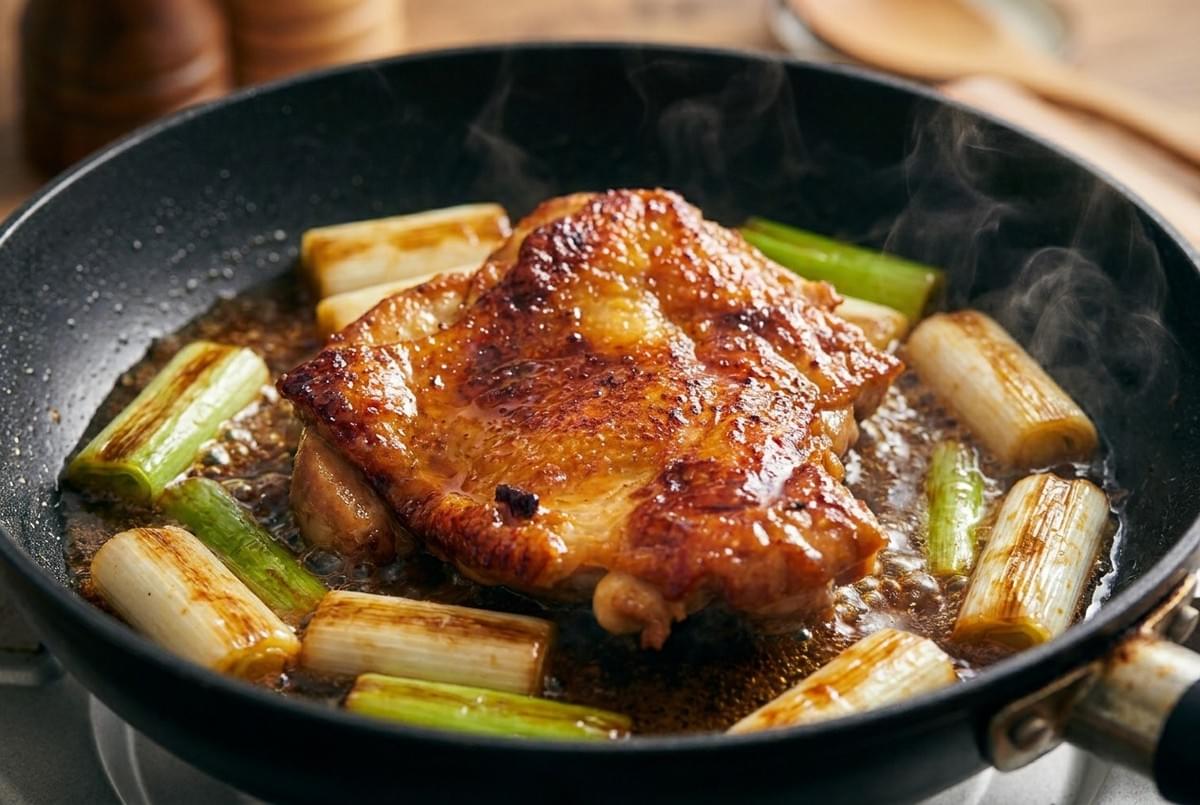
The name tells you what it is. "Teri" means shine or gloss, and "yaki" means grilled or pan-cooked. So teriyaki is, at heart, food cooked until it glistens.
That shine comes from the sauce. Soy for salt and depth, a sweetener to round it out, and a little something to soften the edges. As it reduces, it thickens into a glaze that clings to whatever it touches.
The flavor is balanced, not loud. Salty and sweet, leaning savory, with a warmth from garlic and ginger underneath. It travels well because it makes sense on almost anything: chicken, salmon, tofu, vegetables. But chicken is where a lot of us first met it, and it is still the one we come back to.
Recipe Overview
- Prep time: 10 minutes
- Cook time: 20 minutes
- Total time: 30 minutes
- Servings: 4
- Difficulty: Easy
- Key flavors: Savory, sweet, garlicky, a whisper of ginger
- Best for: Weeknights, meal prep, feeding a hungry table fast
Ingredients (with Notes)
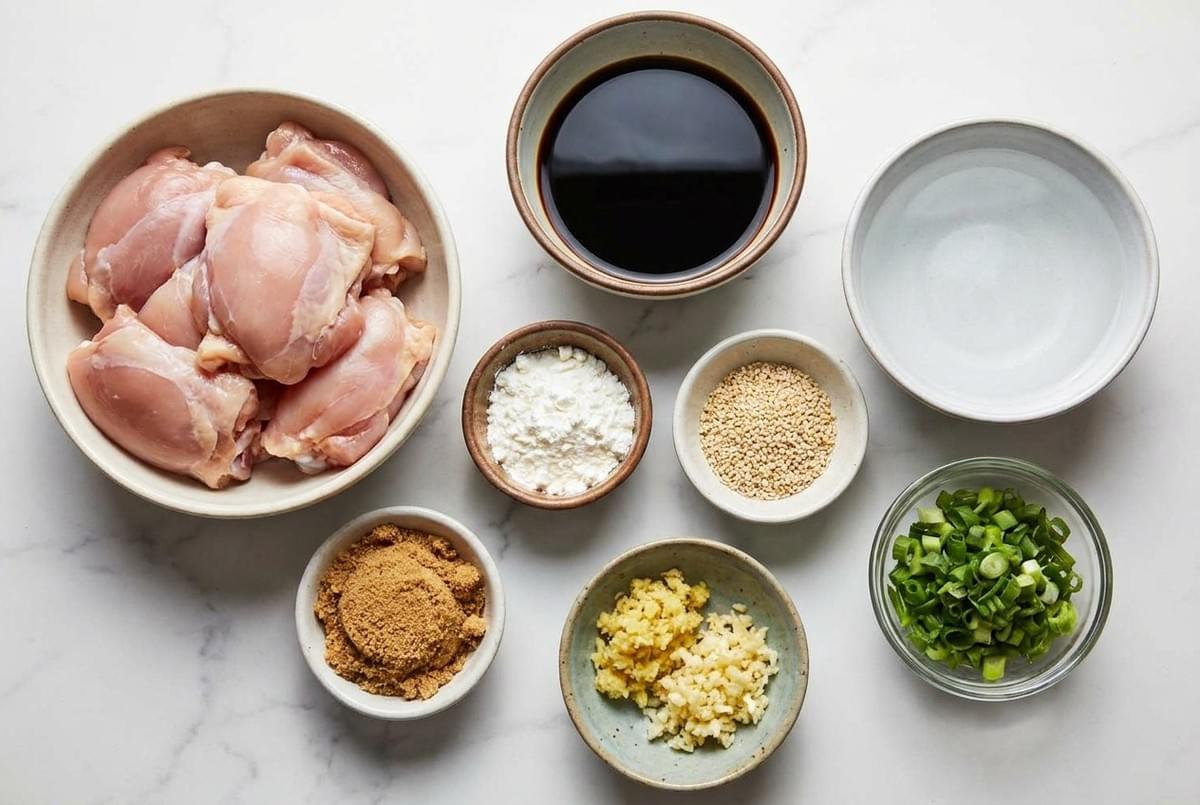
Most of this lives in the pantry already. That is part of why it stays in the rotation.
For the chicken
- 1.5 lb (680 g) boneless chicken thighs. Thighs stay juicy and forgiving, even if you look away for a minute. Breasts work too, but they cook faster and dry out quicker, so watch them closely and slice them a little thinner.
For the homemade teriyaki sauce
- 1/2 cup (120 ml) soy sauce. Regular gives you deep, full flavor. Low-sodium is a smart pick if you like control over the salt, since the sauce reduces and concentrates as it cooks.
- 3 tablespoons brown sugar. Brown sugar brings a soft, molasses warmth. Honey works beautifully too (start with a little less, it is sweeter), or use white sugar in a pinch.
- 2 tablespoons mirin. This adds gentle sweetness and shine. No mirin? Use a tablespoon of rice vinegar plus a teaspoon of sugar, or a splash of dry sherry.
- 2 cloves garlic, minced.
- 1 teaspoon fresh ginger, grated.
- 1/2 cup (120 ml) water. To loosen the sauce so it has room to reduce slowly.
For thickening (recommended)
- 1 tablespoon cornstarch + 2 tablespoons cold water. This is your slurry. Stirred in at the end, it turns a thin, watery sauce into that glossy glaze that coats the back of a spoon.
How to Make It
Read through once, then go. It moves quickly near the end, so having everything ready helps.
- Prep the chicken. Pat the thighs dry and cut them into bite-sized pieces, or leave them whole if you prefer.
- Mix the sauce. In a bowl, stir together the soy sauce, brown sugar, mirin, garlic, ginger, and water. Set it within reach.
- Sear the chicken. Heat a large skillet over medium-high until hot. Add a little oil, then the chicken in a single layer. Let it sit undisturbed for a few minutes so it browns, then flip.
- Add the sauce. Lower the heat to medium. Pour the sauce in and let it come to a gentle bubble.
- Simmer and reduce. Let it bubble for 5 to 7 minutes, turning the chicken so every piece gets coated.
- Thicken with the slurry. Stir your cornstarch and cold water together again (it settles), then pour it in. Within a minute, the sauce turns glossy and thick enough to coat a spoon.
- Finish. Make sure the chicken is cooked through (no pink inside, juices run clear). Pull it off the heat and let it rest a moment.
Tips for the Best Teriyaki Chicken
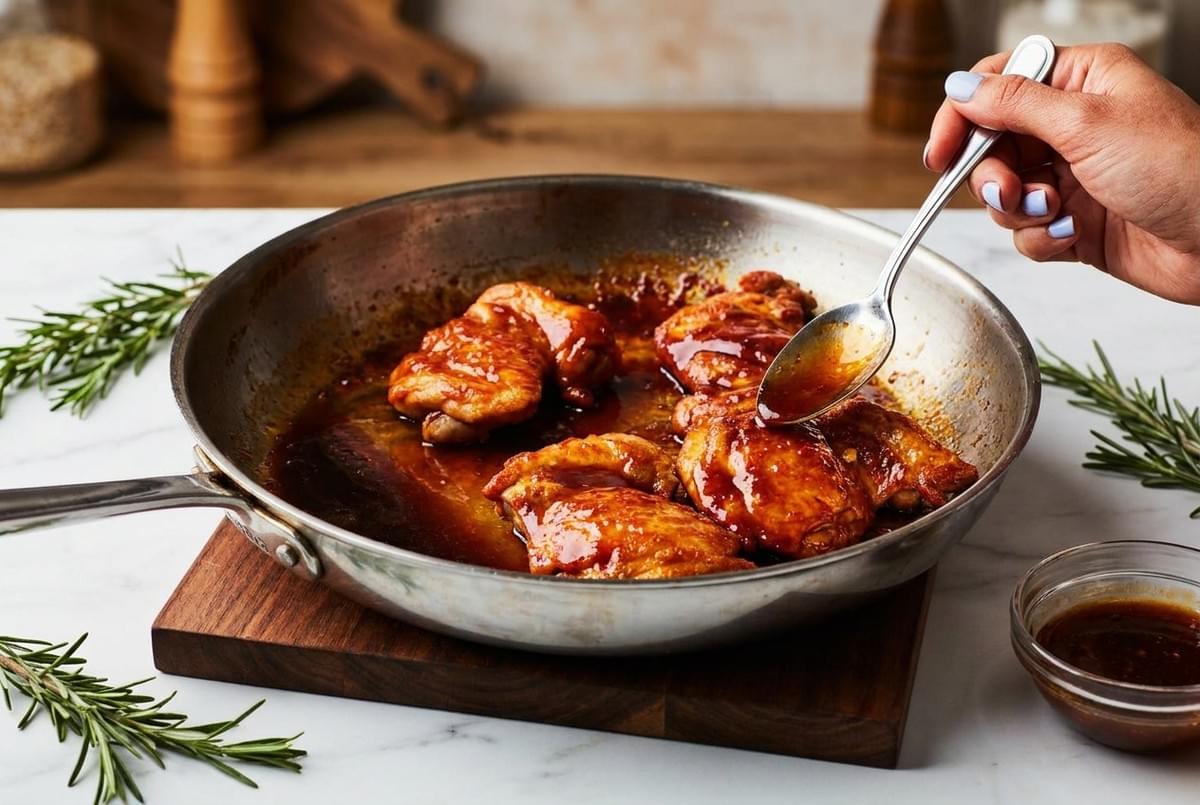
Small things, big difference.
- For a glossy sauce: Add the slurry slowly and stir so it thickens evenly.
- To keep chicken juicy: Use thighs if you can, and do not overcook.
- Pan choice: A wide skillet gives the chicken room to sear instead of steam.
- Avoiding watery sauce: Give it time to reduce before reaching for the slurry.
- Guarding against burnt sugar: Keep the heat moderate once the sauce goes in.
Easy Variations
Once you know the base, it bends easily.
- Spicy teriyaki: Add a spoonful of chili paste or a pinch of red pepper flakes to the sauce.
- Pineapple or orange twist: Swap some of the water for pineapple juice or orange juice.
- Veggie-packed: Toss in broccoli, snap peas, bell peppers, or carrots near the end.
- Gluten-free: Use tamari or a certified gluten-free soy sauce in place of regular.
What to Serve With It
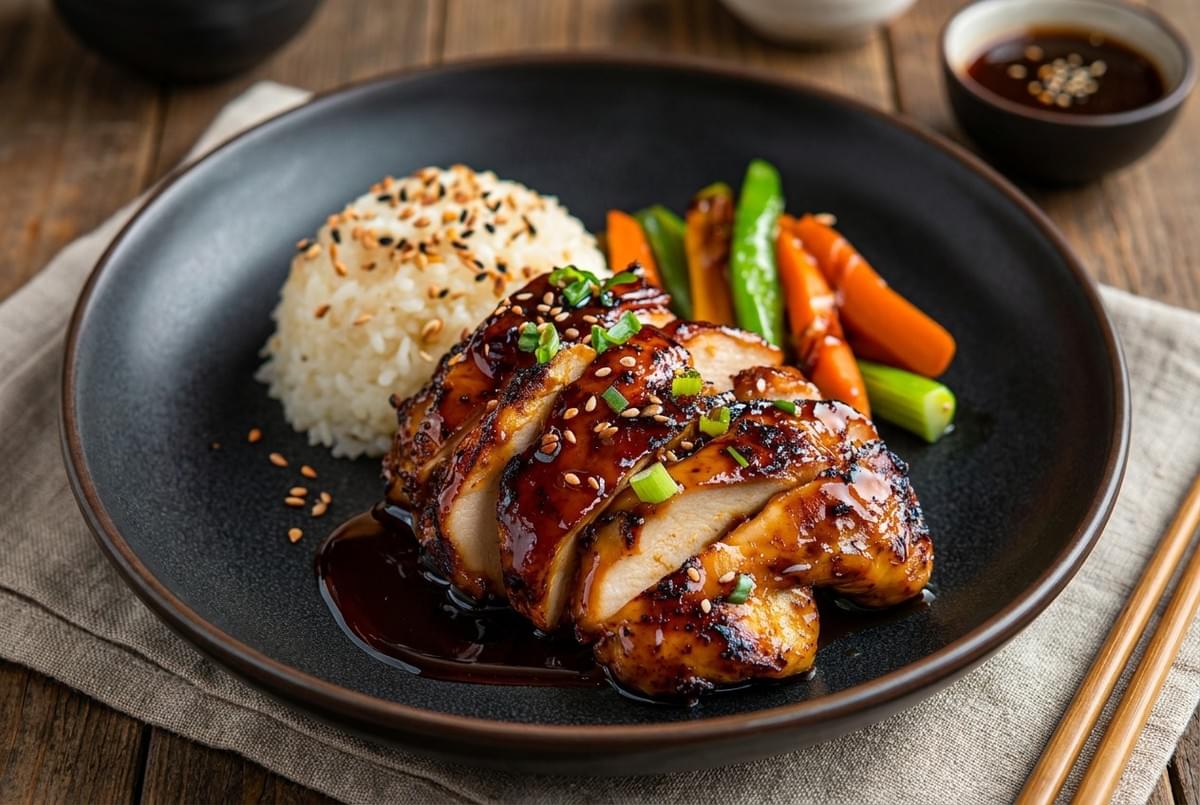
Teriyaki chicken is happy almost anywhere.
- Over a bowl of warm steamed rice, with the extra glaze spooned on top.
- Tossed through noodles for a quick stir-fry feel.
- Alongside roasted or steamed vegetables, something green to balance the richness.
- Over a crisp, simple salad for a lighter plate.
For garnish, a scatter of toasted sesame seeds and sliced scallions does a lot.
Storage and Reheating
This keeps well, which makes it a friend to meal prep.
- Fridge: Store in an airtight container for up to 3 to 4 days.
- Freezer: Freeze, well wrapped, for up to 2 months. Thaw overnight in the fridge.
- Reheating: Warm gently in a skillet over low heat, adding a small splash of water to loosen the glaze.
FAQ
Can I bake teriyaki chicken instead?
Yes. Roast the chicken at 400°F (200°C) until cooked through, then simmer the sauce separately on the stove and toss the two together.
Can I make it in the air fryer?
You can. Air fry the chicken until golden and cooked through, then coat it in warm, thickened teriyaki sauce made on the stove.
Can I use bottled teriyaki sauce?
Of course. It is quick and convenient. That said, a homemade teriyaki sauce takes just minutes and lets you control the salt and sweetness.
Why is my sauce thin and watery?
It likely needs more time to reduce, or it is missing the cornstarch slurry.
Why did my sauce turn bitter?
The sugar probably burned. Keep the heat moderate once the sauce goes into the pan.
Can I use chicken breast instead of thighs?
Yes. Slice it a little thinner and watch it closely, since breast cooks faster and dries out more easily than thigh.
Can I double the sauce?
Absolutely. Extra teriyaki sauce is never a bad idea.
Recipe Card
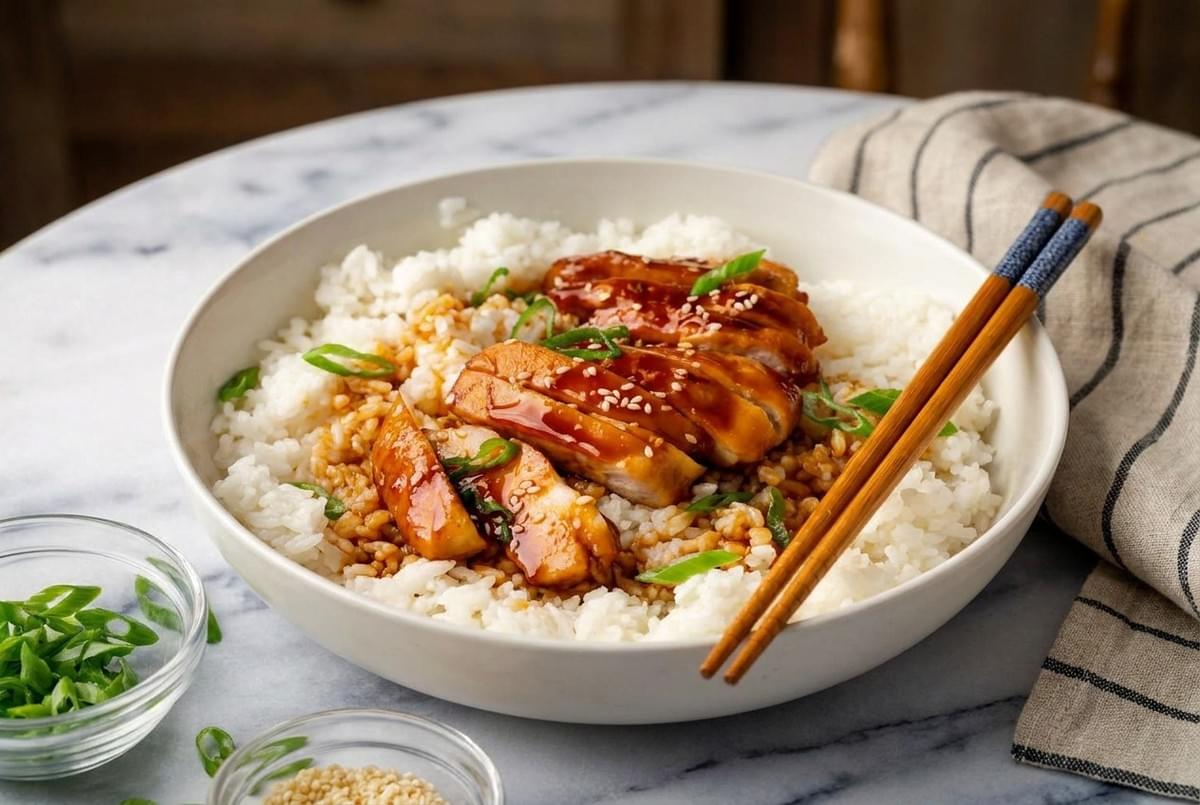
Japanese Teriyaki Chicken
- Prep time: 10 minutes
- Cook time: 20 minutes
- Total time: 30 minutes
- Servings: 4
Ingredients
- 1.5 lb (680 g) boneless chicken thighs, cut into bite-sized pieces
- 1/2 cup (120 ml) soy sauce (regular or low-sodium)
- 3 tablespoons brown sugar (or honey)
- 2 tablespoons mirin
- 2 garlic cloves, minced
- 1 teaspoon fresh ginger, grated
- 1/2 cup (120 ml) water
- 1 tablespoon cornstarch mixed with 2 tablespoons cold water
- Oil, for the pan
- Sesame seeds and sliced scallions, to serve
Instructions
- Pat the chicken dry and cut into pieces.
- Stir together soy sauce, brown sugar, mirin, garlic, ginger, and water.
- Heat oil in a large skillet over medium-high. Sear the chicken until golden, about 3 to 4 minutes per side.
- Lower the heat to medium. Add the sauce and bring to a gentle bubble.
- Simmer 5 to 7 minutes, turning the chicken to coat.
- Stir the cornstarch slurry, then pour it in. Stir until the sauce turns glossy and thick.
- Check the chicken is cooked through. Rest briefly, then serve over rice with sesame seeds and scallions.
Notes
- Chicken breast works too, but cook it a little less to keep it juicy.
- Keep the heat moderate once the sauce goes in, so the sugar does not burn.
- For gluten-free, use tamari in place of soy sauce.
- Nutrition note: exact values vary by ingredients and portion size, so treat any estimate as a rough guide.
Make it once on a bare-fridge Wednesday, and it stops being a recipe. It becomes the thing you reach for when the day was long and dinner still has to happen. Come tell us how yours turned out, and what you served alongside.
