

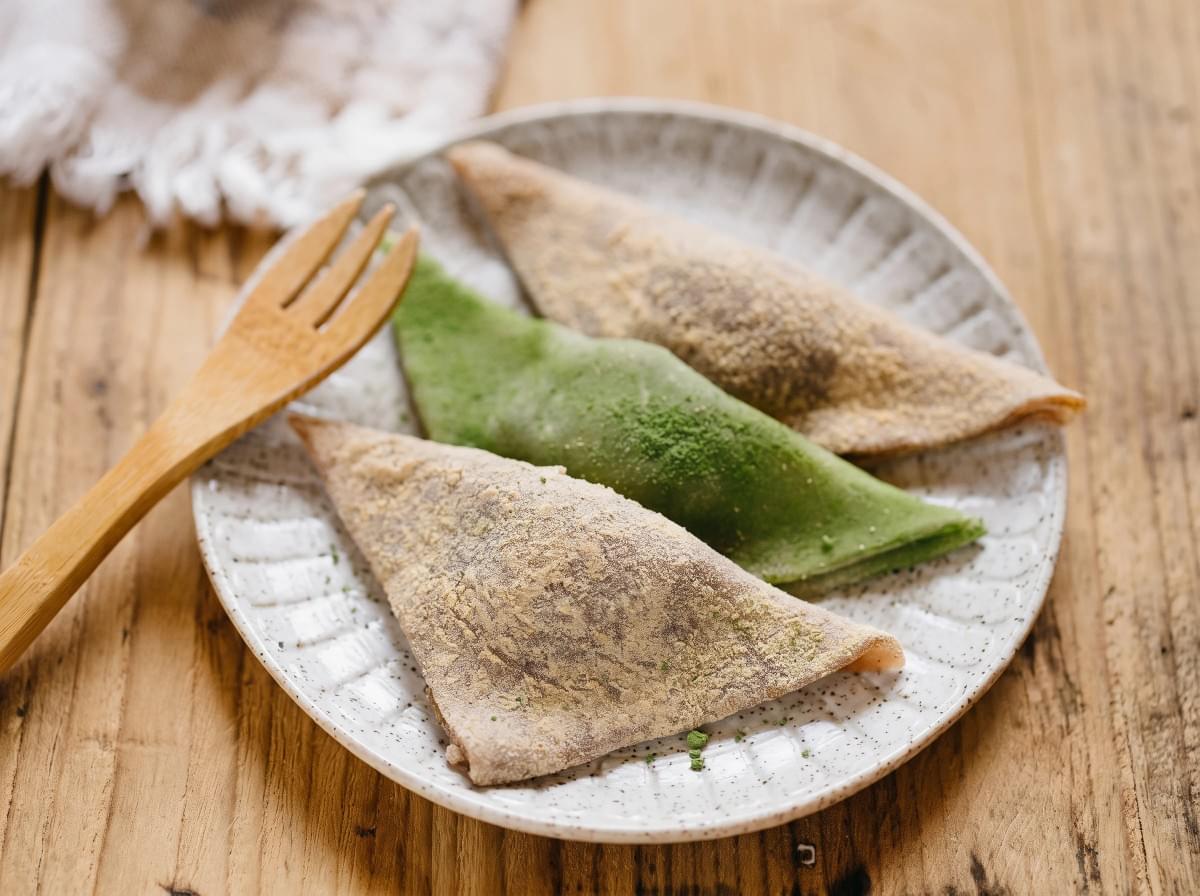
The first time I held a piece of yatsuhashi, it surprised me.
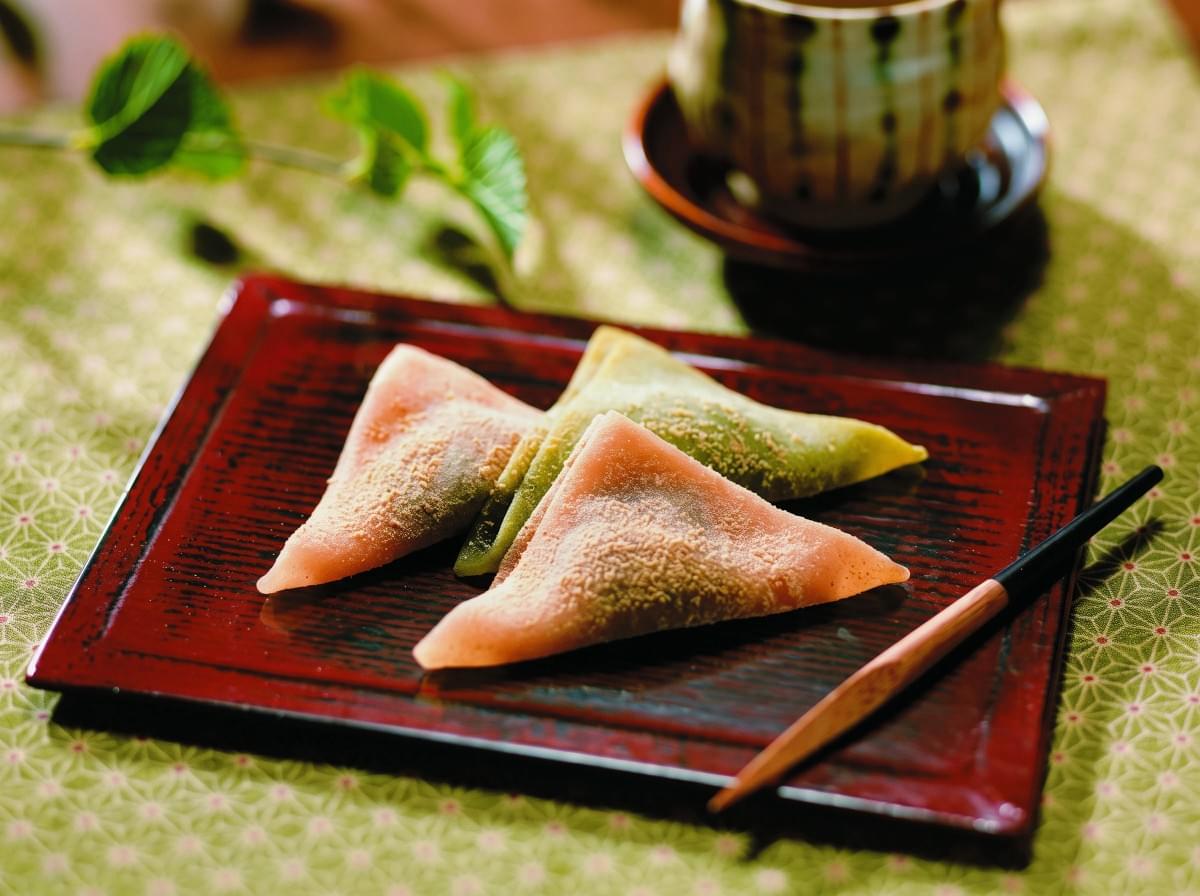
Soft, cool, a little tacky against my fingers, folded into a small triangle. One bite, and there was cinnamon, gentle and warm, then a hush of sweetness from the red bean tucked inside. It did not shout. It just settled in quietly, the way the best small things do.
If you have ever wandered through Kyoto, you have probably seen these. Stacks of pale triangles, dusted in cinnamon, resting in shop windows near the temples. They are the kind of sweet you buy on a slow afternoon and eat while sitting on a step, watching people go by.
You can make them at home. It takes a little patience and a steamer or a microwave, but the ingredients are humble and the steps are kind to beginners. Let's make some together.
A Little Background
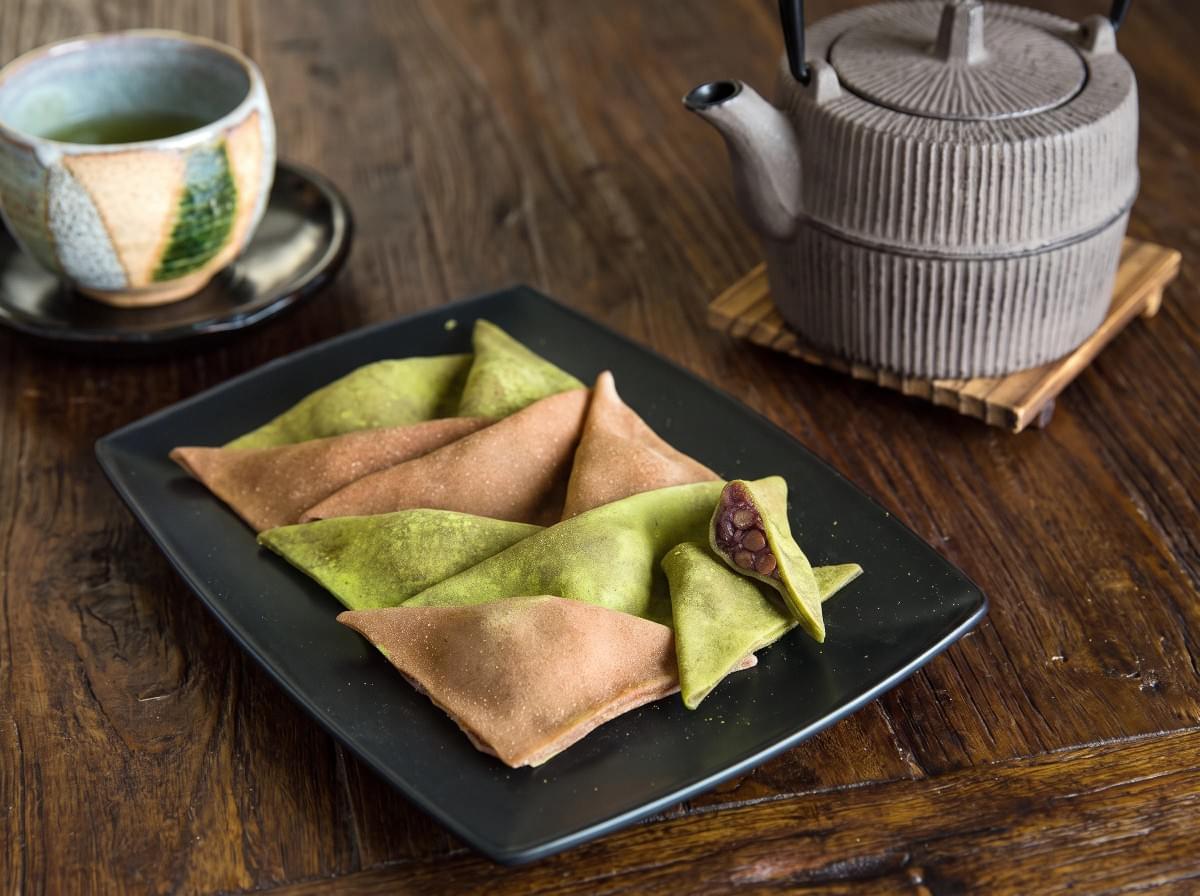
Yatsuhashi is a traditional sweet from Kyoto, and it has been around for a long time.
The older version is baked, thin and crisp, curved a little like a roof tile. It carries that same cinnamon note, but the texture is closer to a delicate cracker. Lovely in its own way.
The soft version, the one most people picture today, is called nama yatsuhashi. "Nama" means fresh or raw, and that is the one we are making here. It stays soft and pliable, wrapped around a sweet filling, and it has become one of the most beloved Kyoto desserts you can carry home.
Baked vs. Soft: What's the Difference?
Quick and simple, so you know what you are aiming for.
- Baked yatsuhashi: Thin, crisp, and cinnamon-scented. A snappy little cracker, no filling.
- Soft yatsuhashi (nama): Tender, chewy, and foldable. Wrapped around a sweet filling and dusted in cinnamon.
We are making the soft kind. It is the more forgiving of the two, and honestly the more fun to shape.
Ingredients You'll Need
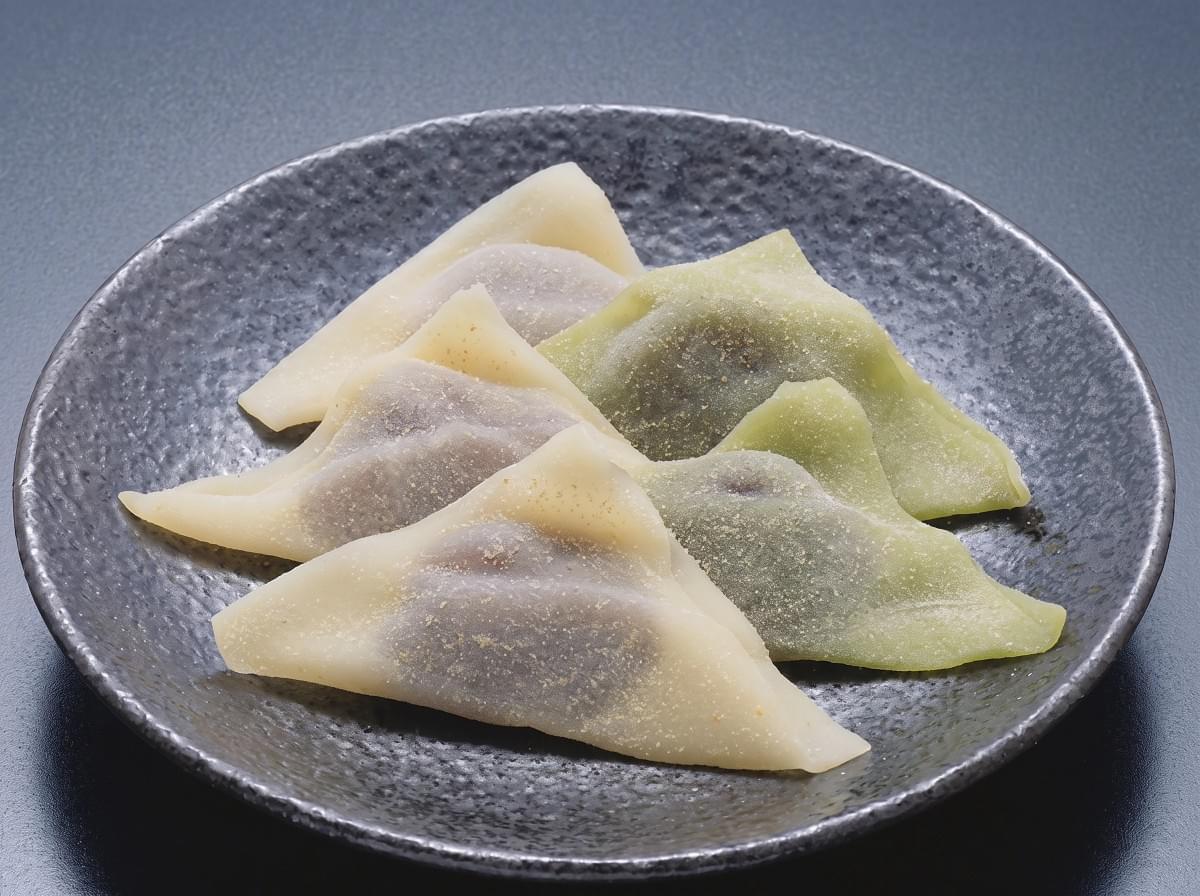
Everything here is simple. A few notes to help you along.
For the dough:
- 1 cup (120 g) glutinous rice flour (shiratamako or mochiko). This gives the dough its signature chew. Do not swap in regular rice flour, since the texture will not hold.
- 1/4 cup (50 g) granulated sugar. For gentle sweetness.
- 1/2 cup plus 2 tablespoons (150 ml) water. Adjust slightly as you go.
- 1 to 2 teaspoons ground cinnamon, mixed into the dough. These are cinnamon rice cakes, after all.
For dusting:
- 2 tablespoons (about 15 g) ground cinnamon
- 2 tablespoons kinako (roasted soybean flour), optional but lovely for a nutty note
For the filling:
- 1/2 cup (about 150 g) sweet red bean paste (anko). This is the classic sweet red bean filling, smooth or chunky, your choice.
Filling swaps to try:
- Matcha: Blend a little matcha powder into white bean paste, or into a soft cream cheese mix.
- Chocolate-hazelnut: A small spoonful of chocolate-hazelnut spread, chilled first so it holds.
- Black sesame: Ground black sesame stirred with a touch of sugar and a little paste to bind.
A quick note on the flour. Shiratamako gives a slightly bouncier, cleaner chew, while mochiko is a touch softer. Both work beautifully, so use what you can find.
Equipment
Nothing fancy here.
- A microwave-safe bowl, or a steamer
- A whisk or spoon
- Plastic wrap or parchment paper
- A rolling pin
- A knife or bench scraper
- A small sieve for dusting
How to Make Yatsuhashi
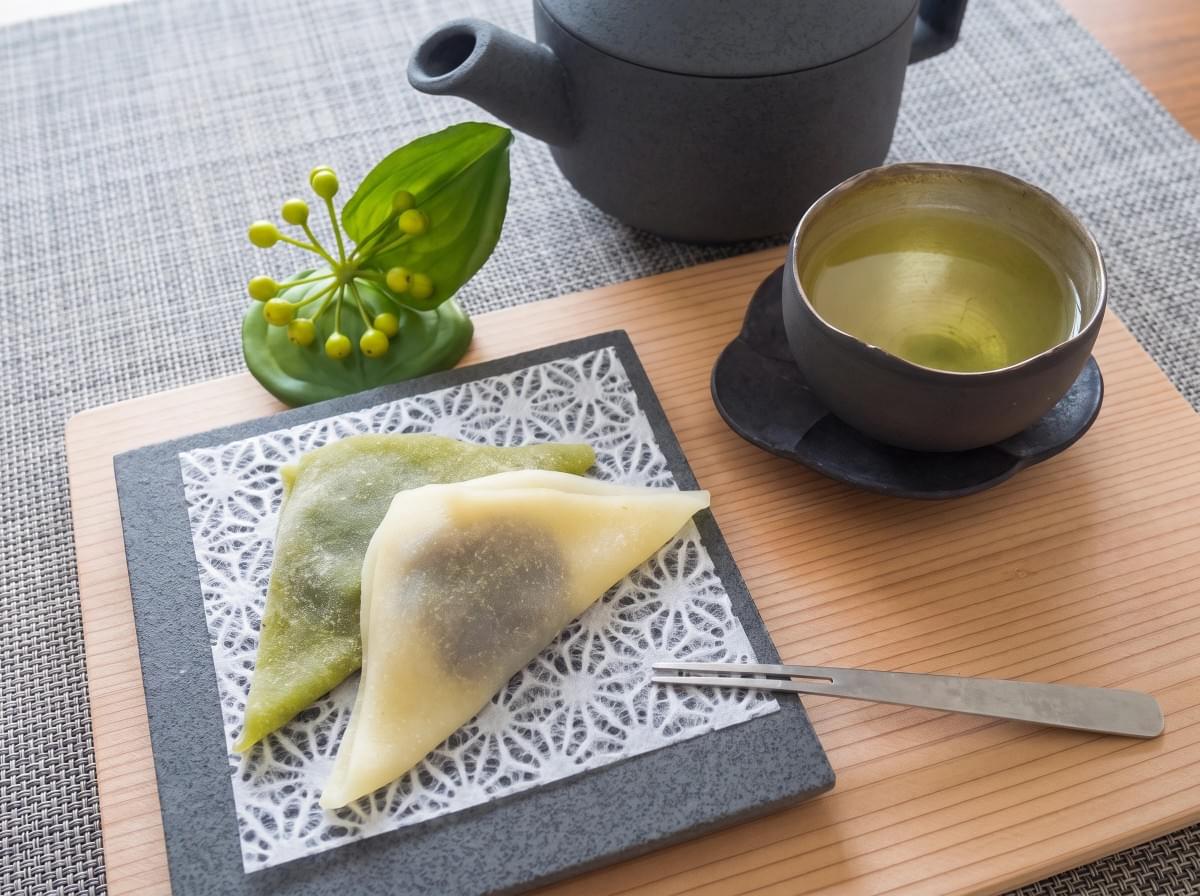
Read through once, then let's go. Have your cinnamon dusting ready before you start, since the dough is stickiest when warm.
1. Prep the filling
If you are using red bean paste, roll it into small balls, about a teaspoon each. Chill them while you make the dough. Cold filling is much easier to wrap. For softer fillings like chocolate-hazelnut, freeze the little portions for a bit so they hold their shape.
2. Mix the dough
In your microwave-safe bowl, whisk together the glutinous rice flour, sugar, and the cinnamon for the dough. Pour in the water a little at a time, stirring until you have a smooth, loose batter with no lumps. It should look like thin pancake batter.
3. Cook the dough
Microwave method: Cover the bowl loosely and microwave for 1 minute. Stir well. Microwave again in 30-second bursts, stirring between each, until the dough turns thick, glossy, and stretchy. It should pull away from the spoon and feel springy. This usually takes 2 to 3 minutes total.
Steamer method: Pour the batter into a lined heatproof dish and steam over medium heat for about 15 to 20 minutes, until set and translucent.
The dough is ready when it looks shiny and slightly see-through, and stretches when you lift it. Careful, it will be hot.
4. Dust your surface
Mix the cinnamon (and kinako, if using) for dusting, and scatter a generous layer on your work surface. This dough is very sticky, so be brave with the dusting. Turn the hot dough out onto it and sprinkle more cinnamon over the top.
5. Roll it thin
Let the dough cool just enough to handle. Dust your rolling pin, then roll the dough out to about 1/8 inch (3 mm) thick. Keep dusting as you go so nothing sticks. Aim for even thickness, since thin edges tear and thick centers get gummy.
6. Cut into squares
Using a knife or bench scraper, cut the dough into squares roughly 3 inches (7.5 cm) across. Do not worry about perfection. Rustic squares fold just fine.
7. Fill and fold
Place a small ball of filling in the center of each square. Fold the dough over into a triangle, pressing the edges gently to seal. A light dab of water on the edges helps them hold if they feel dry.
8. Finish and serve
Give each triangle one last light dusting of cinnamon. Serve soft and fresh, at room temperature. That first bite, warm cinnamon meeting sweet filling, is the whole point.
Pro Tips and Troubleshooting
A few small things make a big difference.
- Dust generously. This dough is sticky by nature. More cinnamon on your hands, pin, and surface saves a lot of frustration.
- Work while warm, but not hot. The dough shapes best when still warm and pliable. If it cools too much, it stiffens and cracks.
- Keep filling modest. Too much and the triangles burst at the seams. A teaspoon is plenty.
- Roll evenly. Uneven dough means some pieces tear and others turn dense. Take your time here.
- Dough tearing? It may be too thin or too dry. Patch small holes with a scrap and a dab of water.
- Too sticky to handle? It needs more dusting, or a moment longer to cool.
- Seal well. Press the edges firmly, with a touch of water if needed, so the filling stays put.
Storage and Make-Ahead
Soft yatsuhashi is best the day it is made, when the texture is tender and fresh.
- Room temperature: Keep them in an airtight container for up to a day. Layer with parchment so they do not stick together.
- Refrigerator: They keep for 2 to 3 days chilled, though the dough firms up in the cold. Let them come back to room temperature before eating, since that softens the chew again.
- Freezing: You can freeze the shaped, filled triangles for up to a month. Wrap well, thaw at room temperature, and dust with fresh cinnamon before serving.
A gentle reminder: glutinous rice dough hardens as it cools, so the softest window is always the first few hours.
Serving Ideas
Yatsuhashi is a quiet sweet, so it likes quiet company.
- A cup of green tea, especially sencha or a bowl of matcha, is the natural pairing. The slight bitterness balances the sweetness beautifully.
- A pot of hojicha, roasted and mellow, works lovely too.
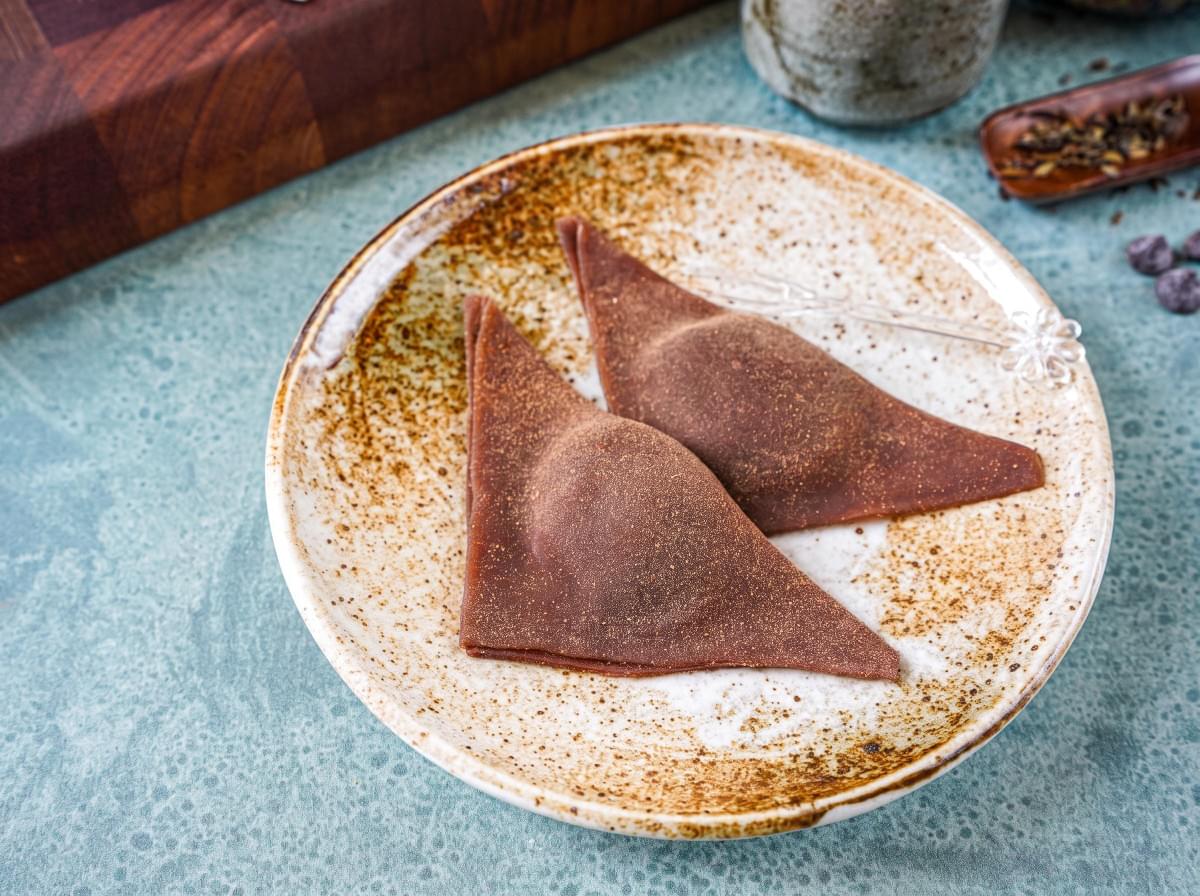
- Plate them simply, three or four triangles on a small dish, maybe a light extra dusting of cinnamon.
No garnish needed. Let them be what they are.
FAQ
Why does my dough keep tearing?
Usually it is rolled too thin or has cooled too much. Keep the dough warm and pliable, roll it a touch thicker, and patch any tears with a scrap and a little water.
My dough is too sticky to work with. What now?
Add more cinnamon dusting to your surface, pin, and hands. Letting the dough cool for another minute or two also helps it firm up enough to handle.
Can I use regular rice flour instead of glutinous rice flour?
No, and this one matters. Glutinous rice flour (mochiko or shiratamako) is what gives yatsuhashi its soft, chewy stretch. Regular rice flour will not hold together the same way.
What if I cannot find red bean paste?
You can buy anko at most Asian grocery stores, or make a simple version from cooked adzuki beans and sugar. If you prefer, use one of the swaps: matcha, chocolate-hazelnut, or black sesame.
Can I make these without a microwave?
Yes. The steamer method works well. Steam the batter for 15 to 20 minutes until set and translucent, then roll and fill as usual.
Printable Recipe Card
Japanese Yatsuhashi (Soft Cinnamon Rice Cakes)
- Prep time: 20 minutes
- Cook time: 5 minutes (microwave) or 20 minutes (steamer)
- Total time: about 30 to 40 minutes
- Yield: about 10 to 12 triangles
Ingredients
- 1 cup (120 g) glutinous rice flour (shiratamako or mochiko)
- 1/4 cup (50 g) granulated sugar
- 1/2 cup plus 2 tablespoons (150 ml) water
- 1 to 2 teaspoons ground cinnamon (for the dough)
- 2 tablespoons ground cinnamon (for dusting)
- 2 tablespoons kinako (optional, for dusting)
- 1/2 cup (about 150 g) sweet red bean paste (anko)
Instructions
- Roll the red bean paste into small teaspoon-sized balls and chill.
- Whisk the rice flour, sugar, and dough cinnamon together, then stir in the water until smooth.
- Microwave in short bursts (or steam) until the dough is thick, glossy, and stretchy.
- Dust your surface generously with the cinnamon and kinako.
- Turn out the warm dough and roll it to about 1/8 inch (3 mm) thick.
- Cut into 3-inch (7.5 cm) squares.
- Place a ball of filling in each center, fold into a triangle, and seal the edges.
- Dust with cinnamon and serve soft.
Notes
- Use glutinous rice flour only, for the right chew.
- Dust generously, since the dough is very sticky.
- Keep the filling modest so the triangles do not burst.
- Best enjoyed fresh. Bring refrigerated pieces back to room temperature before eating.
- Swap the filling for matcha, chocolate-hazelnut, or black sesame if you like.
One Last Triangle
Some sweets are made to dazzle. This one is made to slow you down.
Yatsuhashi does not ask for much. A little glutinous rice flour, a warm shake of cinnamon, and a quiet moment to fold each triangle by hand. In return, you get a small bite that tastes like a slow Kyoto afternoon, gentle and unhurried.
Make a batch this week, then come tell us how it went. We would love to know which filling you reached for, and whether you kept it classic with red bean or tried something of your own.
