

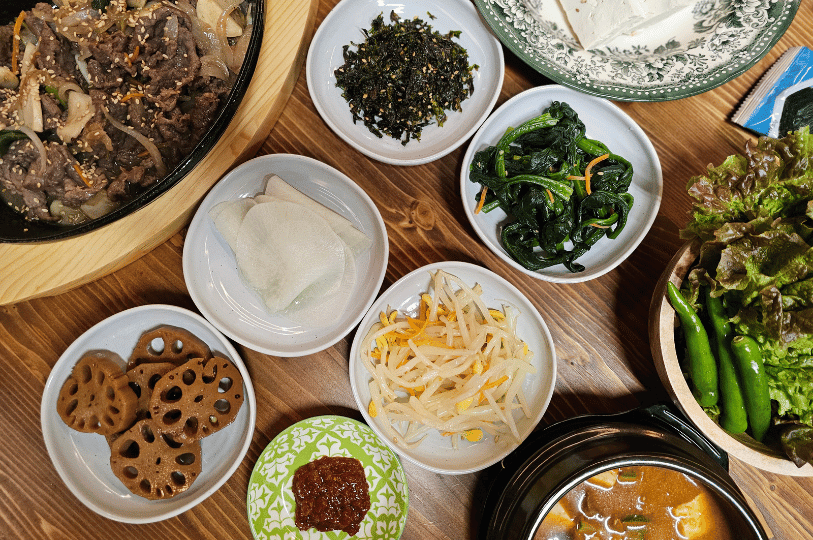
To sit down at a traditional Korean table is to witness an act of profound generosity. Before the main course even arrives, the table begins to fill with a stunning array of small, colorful dishes. There might be a fiery red kimchi, vibrant green spinach, glossy soy-braised potatoes, and a golden-brown savory pancake. These are not mere appetizers or garnishes. This is banchan, the heart and soul of a Korean meal.
In the West, we are accustomed to a meal structure where side dishes play a supporting role to a single main event. But in Korean cuisine, the main dish is just one part of a much larger, more complex harmony. Banchan are the collective of small side dishes served alongside cooked rice and the main course. They are served communally, meant to be shared and enjoyed by everyone at the table.
To dismiss banchan as simply "side dishes" is to miss the entire philosophy they represent. They are a living expression of balance, a celebration of seasonality, and a testament to the Korean values of community, hospitality, and health. Understanding banchan is the key to unlocking the true rhythm of Korean dining.
The Philosophy of Abundance and Balance
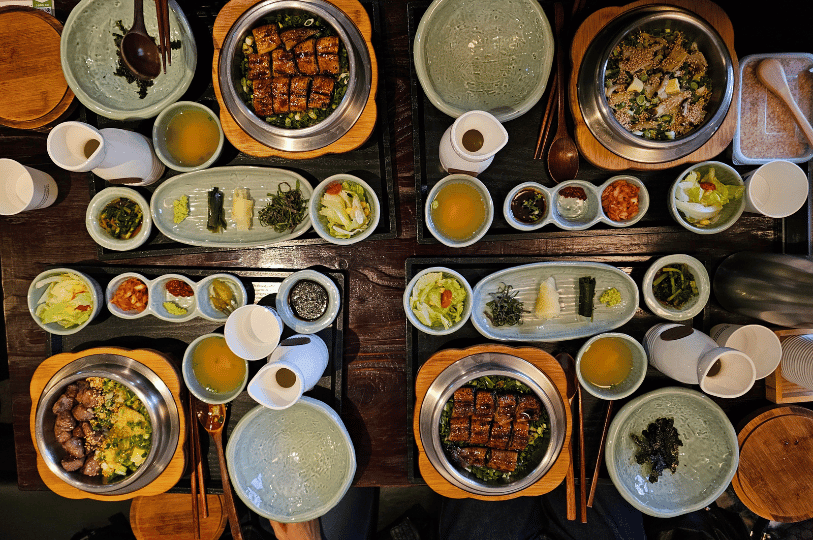
A Korean meal is a study in harmony. It is about creating a balanced experience of flavors, textures, colors, and temperatures. Banchan are the primary tools used to achieve this balance. A meal might feature a rich, savory stew (jjigae) as its centerpiece. The accompanying banchan will then provide contrasting elements: the crisp, acidic crunch of kimchi to cut through the richness; the cool, refreshing taste of a cucumber salad to soothe the palate; and the subtle bitterness of seasoned greens to add complexity.
This concept is rooted in a traditional Korean food philosophy known as hansik, which emphasizes the balance of the five cardinal colors (green, red, yellow, white, and black) and five essential flavors (salty, sweet, sour, bitter, and spicy). A well-set table with a variety of banchan is a visual and gustatory representation of this ideal. No single dish is meant to dominate; instead, each bite offers a different combination, allowing the diner to curate their own experience.
This approach also reflects a deep respect for health and well-being. The variety ensures a wide range of nutrients, with many dishes featuring fermented foods and seasonal vegetables that are vital for digestion and overall health.
The Communal Heart of the Meal
The way banchan are served speaks volumes about Korean culture. Unlike individual plates, banchan are placed in the center of the table for everyone to share. This communal act fosters a sense of togetherness and shared experience. It turns a meal from a simple act of eating into a social event that strengthens bonds between family and friends.
There is an unspoken etiquette to sharing banchan. Diners use their own chopsticks to take small portions from the central dishes, careful not to rummage through them. This shared rhythm of reaching for different dishes, combining them with rice, and tasting different flavor combinations is a dance of respect and community.
This tradition of generosity is also a point of pride. In restaurants, banchan are often complimentary and endlessly refillable. It is a gesture of hospitality, a way of saying, "Welcome, please eat well." The quality and variety of a restaurant’s banchan are often seen as a direct reflection of its quality and care.
A Tour of Common Banchan
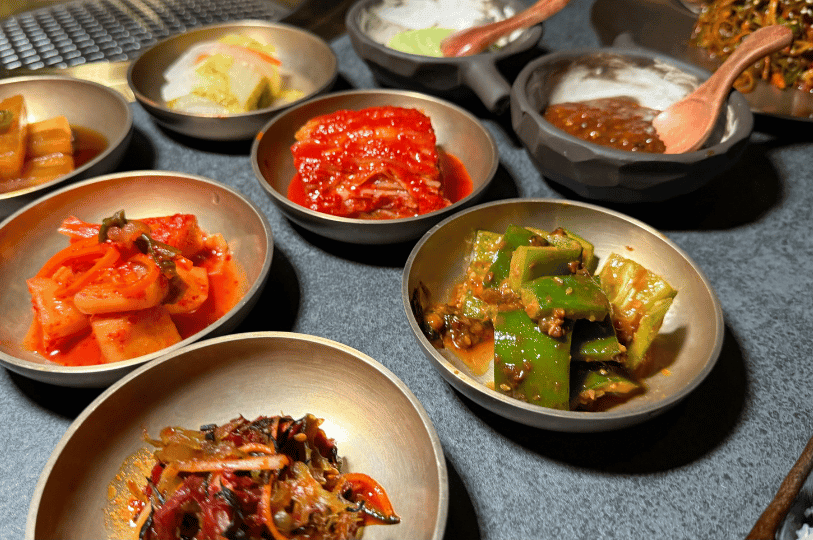
The world of banchan is vast and varied, with hundreds, if not thousands, of different dishes. They are often grouped by their preparation method. Here are a few of the most common categories you will encounter.
Kimchi (Fermented Vegetables)
Kimchi is the undisputed king of banchan and a cornerstone of Korean identity. While the spicy napa cabbage version (baechu-kimchi) is the most famous, kimchi can be made from countless vegetables, including radishes (kkakdugi), cucumbers (oi-sobagi), and scallions (pa-kimchi). Fermentation gives kimchi its signature sour tang and effervescence, and it is packed with beneficial probiotics. A Korean meal without kimchi is almost unthinkable.
Namul (Seasoned Vegetables)
Namul refers to a wide range of seasoned vegetable dishes, either blanched, steamed, or stir-fried. They are typically seasoned with sesame oil, salt, garlic, and soy sauce. Common examples include seasoned spinach (sigeumchi-namul), soybean sprouts (kongnamul-muchim), and bracken fern (gosari-namul). Namul dishes provide a fresh, clean contrast to heavier or spicier dishes on the table.
Jorim (Braised Dishes)
Jorim dishes are ingredients simmered in a seasoned broth, usually soy-sauce based, until the liquid is reduced and a glaze coats the main ingredient. The flavor is a perfect balance of salty and sweet. Popular versions include soy-braised potatoes (gamja-jorim), braised black beans (kong-jorim), and braised lotus root (yeon-geun-jorim).
Jeon (Savory Pancakes)
Jeon are savory pancakes made from a flour and egg batter mixed with various ingredients and pan-fried until golden. While larger jeon can be a main course, smaller versions are often served as banchan. Examples include scallion pancakes (pajeon), zucchini pancakes (hobak-jeon), and kimchi pancakes (kimchi-jeon). They offer a satisfyingly crisp and chewy texture.
Bokkeum (Stir-fried Dishes)
Bokkeum are stir-fried dishes. A common banchan example is stir-fried dried squid (ojingeochae-bokkeum) or stir-fried fish cakes (eomuk-bokkeum), often coated in a slightly sweet and spicy gochujang-based sauce.
Seasonality and Resourcefulness
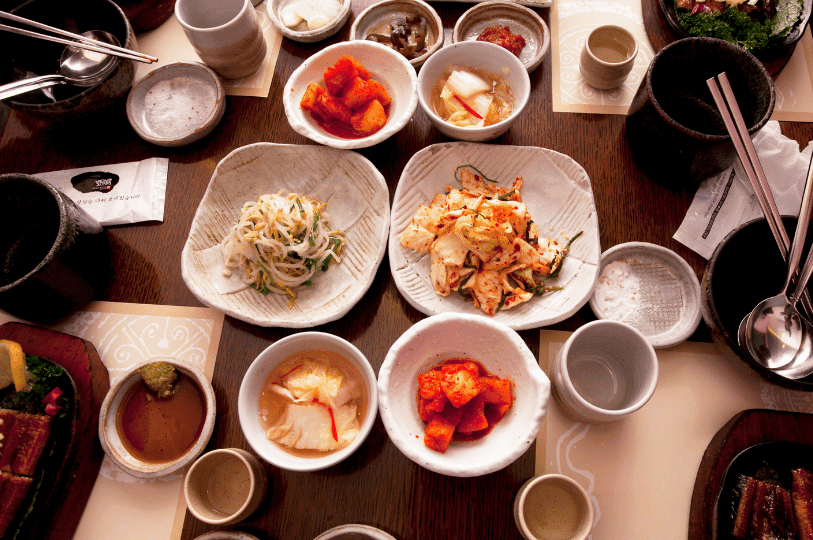
Historically, banchan were born from a need to preserve food and make the most of each season's harvest. In a country with long, harsh winters, fermentation was a crucial technique for preserving vegetables from the autumn harvest to be eaten throughout the colder months. This is why kimchi became so central to the cuisine.
Today, even with modern refrigeration, the spirit of seasonality remains. In the spring, you will find banchan made with fresh, tender wild greens. In the summer, cucumbers and zucchinis take center stage. Autumn brings a bounty of root vegetables like radishes and lotus root.
This reflects a deep connection to the land and an ethos of resourcefulness. No part of a plant is wasted. Radish greens are used to make namul, and leftover vegetables are incorporated into pancakes or stir-fries. This mindful approach to cooking is a lesson in sustainability that has been practiced for centuries.
The Modern Banchan Table
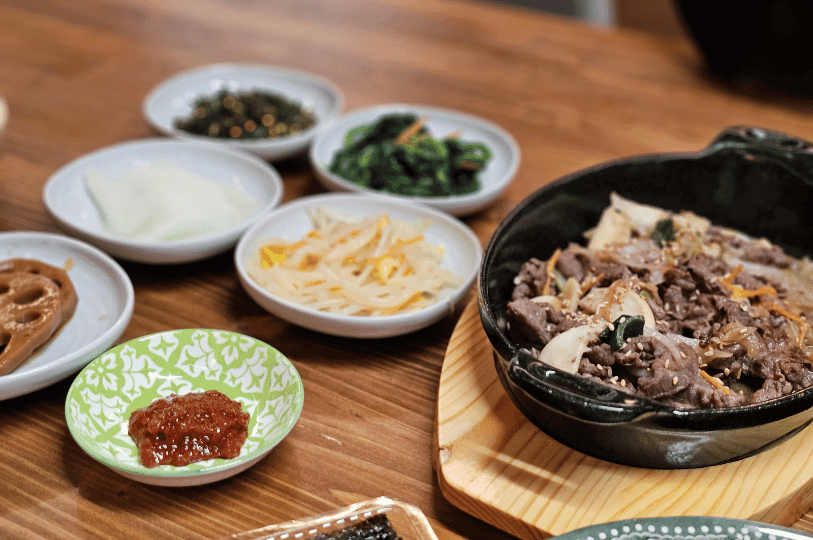
While the core philosophy remains, the presentation and preparation of banchan have evolved. In the royal court cuisine of the Joseon Dynasty, a king’s table might feature dozens of banchan, an elaborate display of power and prosperity. Today, a typical home meal might include three to five different types, while restaurants often offer more.
Modern Korean chefs are also reinterpreting banchan, applying new techniques and incorporating non-traditional ingredients. You might find fusion banchan like a macaroni salad with corn, a popular addition that reflects American culinary influence after the Korean War. These modern variations show that banchan is not a static tradition but a living, evolving part of the cuisine.
More Than Just a Side Dish
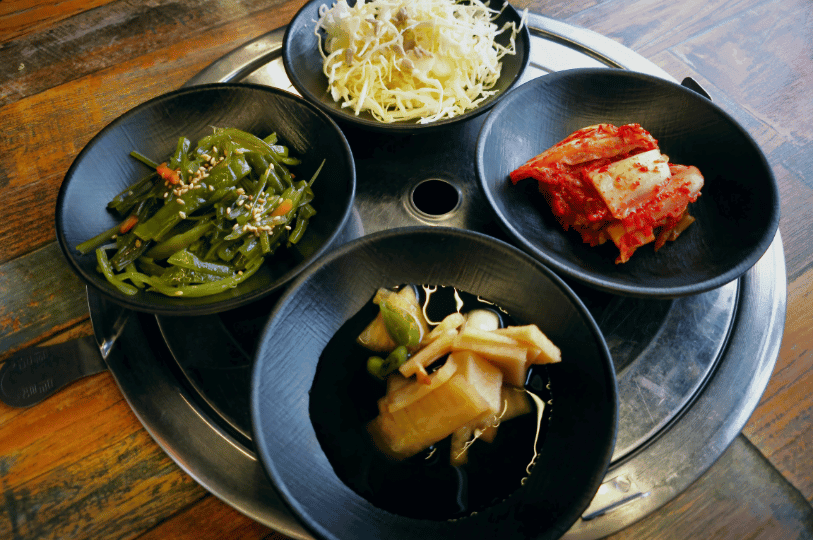
The next time you are at a Korean restaurant and the table fills with small, inviting dishes, take a moment to appreciate what they represent. They are not just freebies to fill you up. They are a carefully curated collection of flavors and textures designed to create a balanced, harmonious meal.
They are an invitation to slow down, to share, and to experience a meal not as a single note, but as a symphony. Each bite is a new combination, a new discovery. The spicy kimchi, the savory beans, the fresh greens, the fluffy rice, the rich main dish all come together to create something greater than the sum of their parts. This is the beautiful, generous, and complex philosophy of Korean banchan. It is a taste of culture served in a hundred tiny bowls.
For more recipes, tips and recommendations, visit ourfoodrhythms.com
