

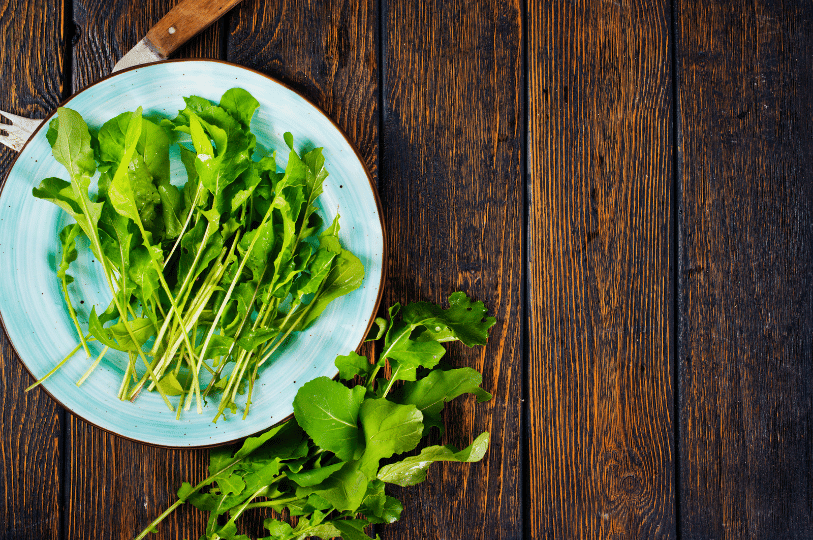
There is a moment every year when the weather shifts. The heavy coats go back into the closet, the windows slide open to let in fresh air, and suddenly, my appetite changes entirely. I stop craving the slow-roasted root vegetables of winter and start looking for something green, something vibrant, something that wakes up my palate. For me, that something is almost always arugula.
While many greens are mild and polite, content to sit in the background of a salad bowl, arugula has an attitude. It is bold, peppery, and unapologetically distinct. It is the green that talks back. And in the spring, when the leaves are young and tender, it is absolutely irresistible.
Whether you know it as arugula, rocket, or roquette, this leafy green is a powerhouse of flavor. It has become a staple in my kitchen not just for salads, but as a finishing touch for pastas, a bright layer in sandwiches, and even a base for pesto. If you have only ever experienced it as a garnish at a restaurant, you are in for a treat. Let's explore why this spicy little leaf deserves a prime spot in your seasonal rotation.
The Personality of a Leaf
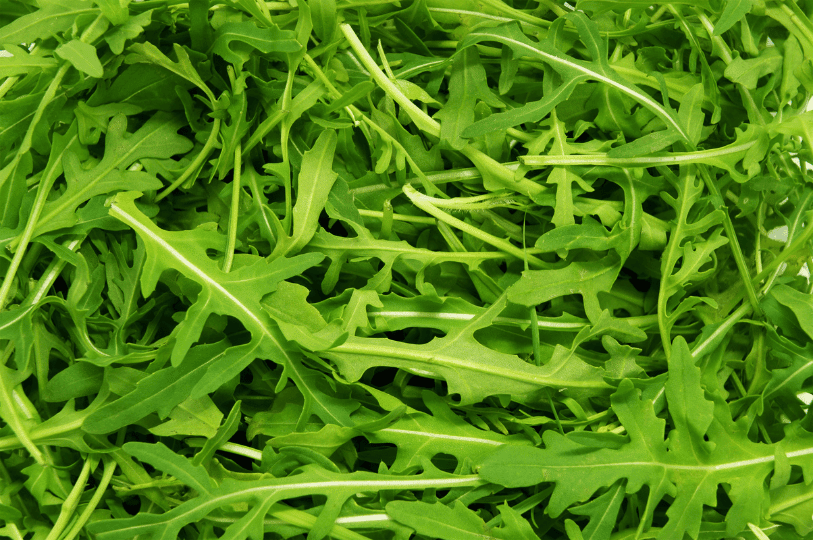
Arugula belongs to the Brassica family, which makes it a cousin to broccoli, kale, and Brussels sprouts. But unlike its sturdier relatives, arugula is delicate in texture while being robust in flavor. It carries a signature mustard-like bite that ranges from nutty and subtle to intensely spicy, depending on when and where it was grown.
This is what makes it such a perfect spring vegetable. When the weather is cool, as it is in early spring and late autumn, arugula thrives. The leaves grow fast and stay tender, and the flavor is sweet with just a gentle kick of spice. As the weather heats up into summer, the plant bolts (starts to flower), and the leaves become tougher and much spicier. This is why seasonal eating matters so much. Buying arugula in April or May usually guarantees you are getting the plant at its absolute best.
But it is not just about flavor. Arugula is incredibly nutritious. It is packed with Vitamin K, which is essential for bone health, as well as Vitamin A and Vitamin C. It is also rich in calcium and nitrates, which can help improve blood flow. So when you are enjoying that peppery crunch, you are also doing your body a favor.
Selecting and Storing Your Greens
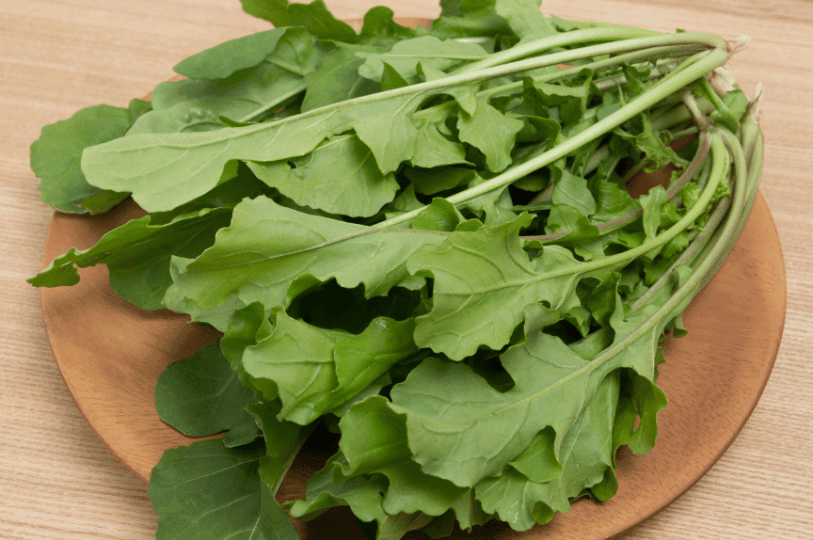
The journey to a great dish starts at the market. When you are shopping for arugula, look for bright, vibrant green leaves. They should look perky and fresh. Avoid any bunches that look yellow, slimy, or wilted. If you see flowers in the mix, that is a sign the arugula was harvested later in the season and will be quite spicy. That is not necessarily a bad thing, but it is good to know what to expect!
Storage can be a bit tricky because arugula is more delicate than spinach or kale. Moisture is the enemy here. If the leaves are wet, they will turn slimy in the fridge faster than you can say "salad."
When I get home, I like to wash the greens and spin them very dry in a salad spinner. Then, I wrap them loosely in paper towels and place them in a sealed container or a produce bag in the crisper drawer. The paper towels absorb excess moisture while keeping the environment humid enough to keep the leaves crisp. Stored this way, fresh arugula can last for up to five days, though I always try to use it within three for the best flavor.
Beyond the Salad Bowl: Recipe Ideas
While a simple arugula salad with lemon and parmesan is a classic for a reason, this green can do so much more. Its peppery bite acts almost like a spice, cutting through rich, fatty flavors and adding complexity to simple dishes. Here are some of my favorite ways to use it.
The Ultimate Breakfast Toast
Forget avocado toast for a moment. Imagine a thick slice of sourdough bread, toasted until golden and rubbed with a raw clove of garlic. Top it with a layer of fluffy ricotta cheese or smashed white beans. Then, pile on a generous handful of baby arugula tossed in just a tiny bit of olive oil and lemon juice. Finish it with a poached or fried egg.
The heat from the egg slightly wilts the arugula, softening its texture while releasing its aroma. The creaminess of the ricotta and the yolk balances the sharp pepperiness of the greens perfectly. It is a breakfast that feels fancy but takes ten minutes to make.
A Zesty Arugula Pesto
Basil is the king of pesto, but arugula is the exciting prince. Because arugula already has a nutty, spicy flavor, it makes a pesto that is complex and vibrant without needing tons of garlic.
To make it, simply swap out the basil in your favorite pesto recipe for packed arugula leaves. I often use walnuts instead of pine nuts because their earthiness complements the greens beautifully. Blend the arugula, toasted walnuts, parmesan cheese, garlic, and olive oil until smooth.
This pesto is incredible tossed with hot pasta, but it is also amazing spooned over grilled fish or roasted chicken. It brings a brightness that lifts the whole meal.
The Pizza Finisher
If you have ever been to a good Italian pizzeria, you have probably seen this move. A pizza comes out of the blistering hot oven, bubbly with melted mozzarella and tomato sauce. Then, right before it hits the table, the chef throws a mountain of fresh, cold arugula on top.
This temperature contrast is magic. The residual heat from the pizza gently warms the greens, but they keep their crunch. The bitterness of the arugula cuts right through the richness of the cheese and the saltiness of the cured meats like prosciutto. Try this at home on your next pizza night. It makes even a frozen pizza taste gourmet.
Creamy Arugula Soup
This might sound unusual if you are used to eating arugula raw, but it cooks down beautifully. It loses some of its spicy bite when cooked, becoming mellower and sweeter, similar to spinach but with more character.
Sauté some onions and a potato in olive oil until soft. Add vegetable or chicken broth and bring to a simmer. Stir in a massive bag of arugula (it shrinks down a lot!) and cook for just a minute or two until bright green. Blend it all together with a splash of cream or coconut milk. The potato gives the soup body, and the arugula turns it a stunning emerald color. Serve it with crusty bread for a light, warming spring lunch.
The Steak Salad Upgrade
Arugula loves beef. There is something about the iron-rich flavor of steak that pairs seamlessly with the mineral, peppery notes of the greens.
Instead of serving steak with a side of potatoes, try slicing it thinly and serving it over a bed of arugula. Dress the salad with a balsamic glaze or a strong vinaigrette made with Dijon mustard. Add some shaved Parmesan or crumbled gorgonzola cheese. The juices from the steak mix with the dressing to create a sauce that coats the leaves. It is a hearty, satisfying meal that does not feel heavy.
Cooking Tips for Success
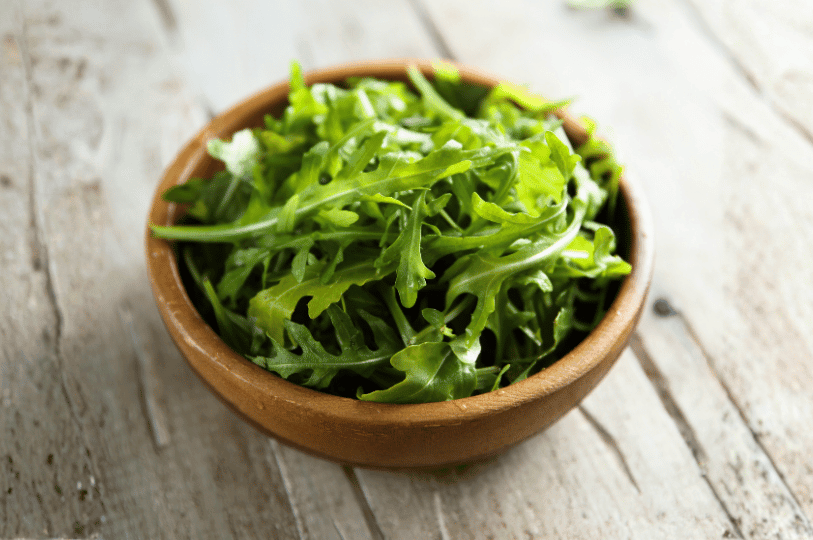
Working with arugula is easy, but there are a few little tricks that help you get the most out of it.
Dress it at the last second.
Because the leaves are so delicate, acid like lemon juice or vinegar will start to "cook" them and make them soggy very quickly. If you are making a salad, wait until everyone is sitting at the table before you toss it with dressing.
Balance the bitterness.
If you find a batch of arugula that is particularly spicy or bitter, balance it with sweet and creamy elements. This is why arugula and balsamic vinegar are such good friends; the sweetness of the vinegar tames the bite of the leaf. Fruits like sliced pears, strawberries, or figs also work wonders in an arugula salad.
Don't throw away the stems.
If you buy mature arugula in a bunch rather than the baby leaves in a box, the stems might be a bit thicker. Do not toss them! Chop them finely and sauté them like you would onion or celery as a base for soups or pasta sauces. They are packed with flavor.
Embrace the Season
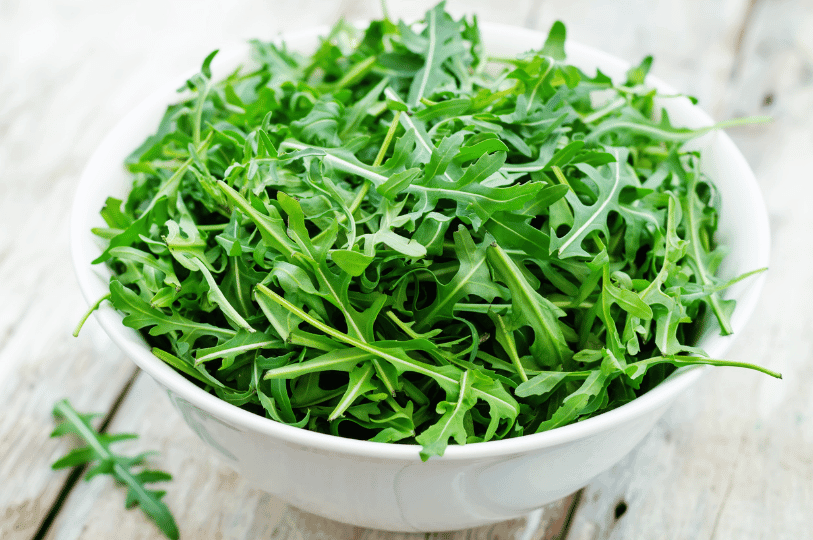
Eating seasonally is about connecting with the rhythm of nature, and right now, nature is telling us to wake up. Spring is a time of renewal and energy, and arugula embodies that spirit perfectly. It is lively, fresh, and full of punch.
I hope this inspires you to grab a bunch of these peppery greens on your next grocery run. Whether you blend them into a sauce, wilt them into a pasta, or just eat them by the handful straight from the fridge (I won't judge!), you are adding a little spark of spring to your plate.
Let the bold flavor of arugula remind you that simple ingredients often make the most memorable meals. Happy cooking, and enjoy the greens!
For more recipes and recommendations, visit ourfoodrhythms.com
