

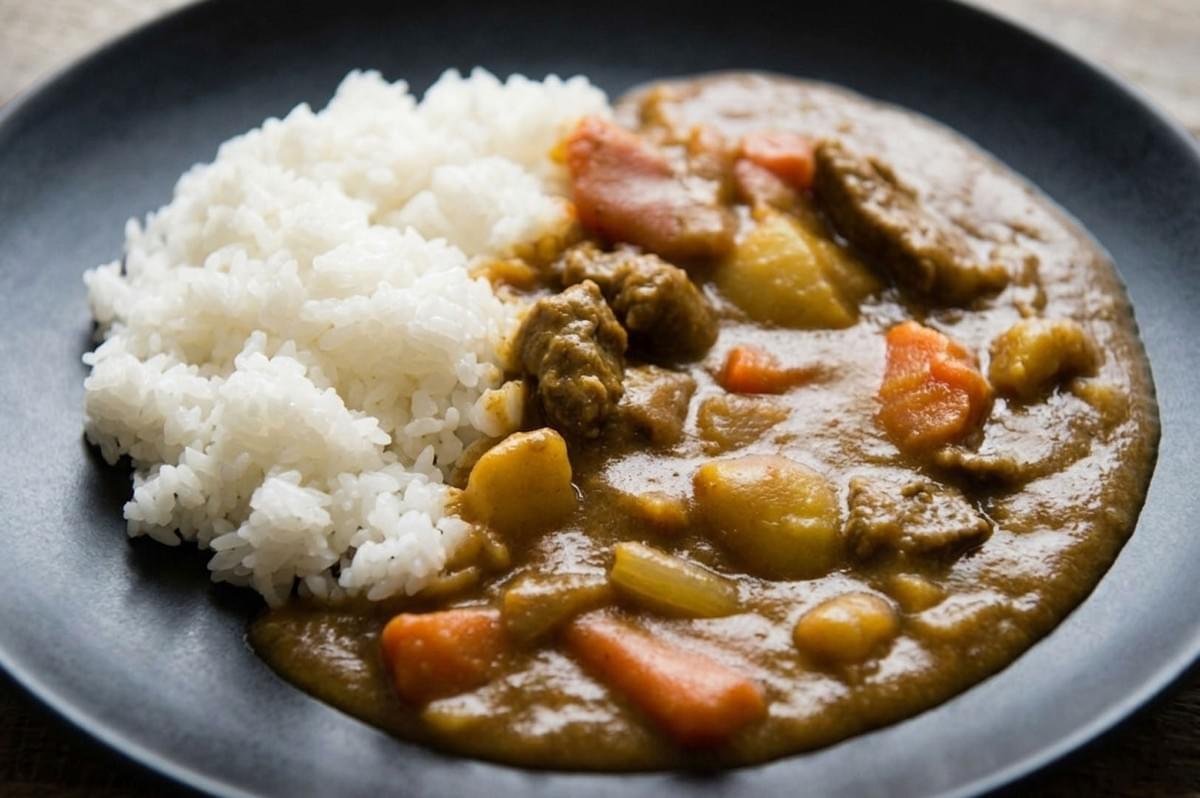
Picture a rainy Tuesday evening. You walk through the front door, shake off your umbrella, and crave something that feels like a warm hug. You need a meal that is rich, deeply savory, and incredibly easy to pull together. Enter Japanese curry. And not the kind you’ll get from Singapore Best Restaurant’s recommendations, it’s the kind that you’ll get straight from your kitchen.
Also known as Kare Raisu, Japanese curry rice is the ultimate weeknight savior. It fills your kitchen with the most intoxicating, savory aroma and turns humble root vegetables into something magical. Whether you are cooking for a hungry family or just treating yourself to a cozy night in, this silky-thick, bubbling pot of joy is guaranteed to hit the spot. Let us grab a pot and get cooking.
What is Japanese Curry (Kare Raisu)?
If you are used to the fiery, coconut-laced curries of Thailand or the deeply spiced, complex curries of India, Japanese curry will be a delightful surprise.
Kare raisu is distinctively sweet, savory, and thick. It was introduced to Japan by the British in the late 19th century and has since evolved into one of the most beloved family meals in the country. Instead of a thin broth, the sauce is wonderfully glossy and thick, resembling a rich brown gravy. It is mild enough for kids to love but deeply flavorful enough to satisfy any craving. The secret to its signature texture and flavor lies in the curry roux, a block of cooked flour, fat, and spices that magically thickens the stew in minutes.
Key Ingredients and Simple Swaps
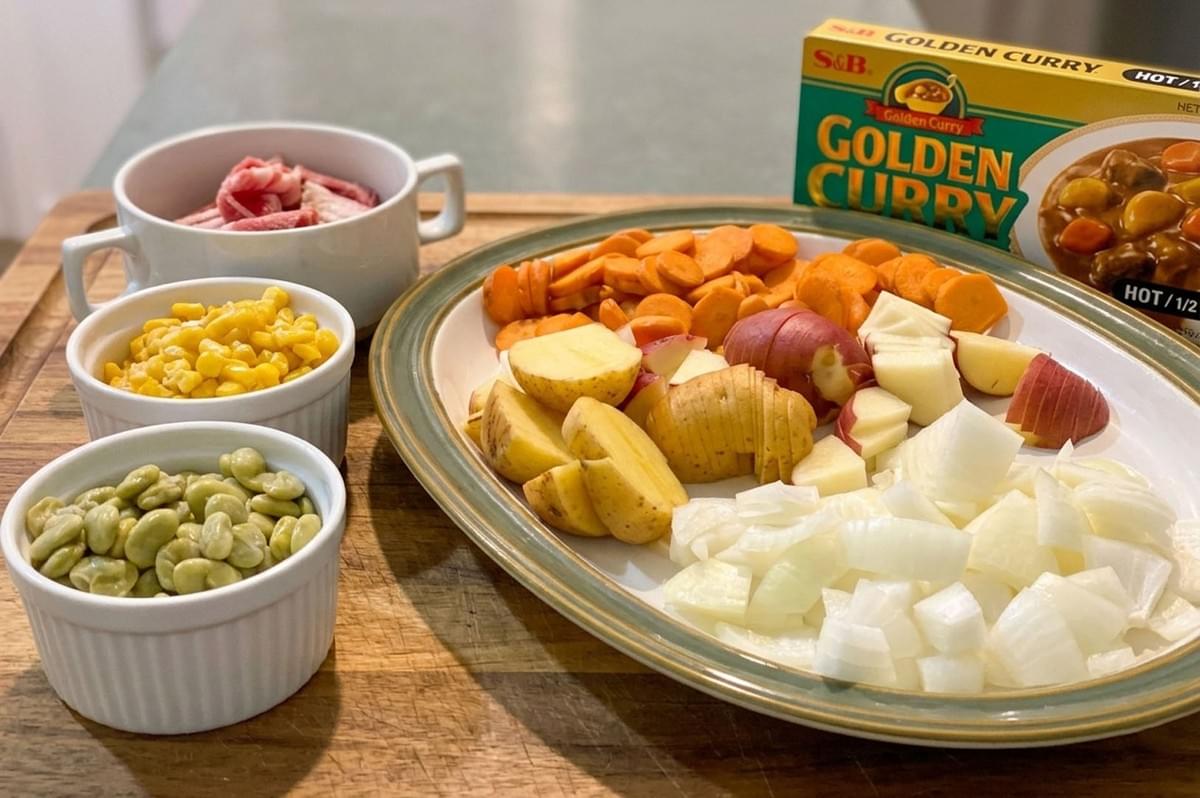
Building a great pot of Japanese curry is all about layering simple flavors. Here is what you need and how you can customize it.
Curry Roux Blocks
The easiest way to make this dish is using boxed curry roux blocks (like S&B Golden Curry, Vermont Curry, or Kokumaro), which are readily available in most grocery stores. You can certainly make a homemade roux with butter, flour, and curry powder, but the boxed blocks are a perfectly acceptable, time-saving staple.
Protein Options
- Chicken: Boneless, skinless chicken thighs are the classic choice because they stay incredibly tender.
- Beef or Pork: Chuck roast or pork shoulder chunks work beautifully if you simmer them a little longer.
- Tofu: Firm or extra-firm tofu makes a fantastic vegetarian protein swap.
Vegetable Staples
- The Classics: Yellow onions, carrots, and Yukon Gold or Russet potatoes are the traditional trio.
- Fun Swaps: Swap regular potatoes for sweet potatoes, add earthy shiitake mushrooms, or stir in a handful of frozen peas right at the end.
Secret Flavor Boosters
Many Japanese home cooks add a "secret ingredient" to personalize their pot. Try grating half an apple or adding a spoonful of honey for natural sweetness. A dash of Worcestershire sauce or soy sauce adds incredible umami, while a teaspoon of freshly grated ginger and garlic awakens the aromatics.
Rice Tips
Japanese short-grain rice is the ideal companion because its slightly sticky texture holds up perfectly to the thick sauce. However, if you only have medium-grain or jasmine rice in your pantry, do not stress. It will still be absolutely delicious.
Recipe: Cozy Japanese Curry (Kare Raisu)
Prep time: 15 minutes
Cook time: 30 minutes
Total time: 45 minutes
Servings: 4 to 6
Ingredients
- 1 tablespoon neutral cooking oil
- 1 large yellow onion, cut into bite-sized wedges
- 1 lb (450g) boneless, skinless chicken thighs, cut into 1-inch chunks
- 2 medium carrots, peeled and cut into thick chunks
- 2 medium potatoes (Yukon Gold or Russet), peeled and cut into 1.5-inch chunks
- 1 teaspoon grated fresh ginger
- 1 teaspoon grated fresh garlic
- 1/2 small apple, peeled and grated (optional)
- 3 cups (720ml) chicken broth or water
- 1/2 box (about 3.5 to 4 oz) Japanese curry roux blocks
- 1 tablespoon soy sauce or Worcestershire sauce
- Cooked short-grain rice, for serving
Step-by-Step Instructions
- Sauté the onions: Heat the oil in a large, heavy-bottomed pot or Dutch oven over medium heat. Add the onions and cook for 5 to 7 minutes. You will know they are ready when they turn translucent and the edges get slightly golden and sweet.
- Brown the chicken: Add the chicken chunks, garlic, and ginger. Stir and cook until the outside of the chicken is no longer pink (about 3 to 4 minutes).
- Add the hard vegetables: Toss in the carrots and potatoes. Stir everything together so the vegetables are coated in the savory oils.
- Simmer the stew: Pour in the chicken broth or water, along with the grated apple if using. Bring the pot to a gentle boil. Skim off any foam that rises to the top. Lower the heat to a gentle simmer, cover the pot with a lid, and cook for 15 minutes. Test the potatoes with a fork. They should be completely tender but not falling apart.
- Melt the roux: Turn off the heat completely. This is a crucial step! Break the curry roux blocks into smaller pieces and add them to the pot. Stir gently until the blocks are completely dissolved and the sauce is smooth.
- Thicken and serve: Turn the heat back on to medium-low. Add your soy sauce or Worcestershire sauce. Let the curry simmer gently, uncovered, for 5 minutes. The sauce will transform into a glossy, silky-thick gravy. Serve hot over steamed rice.
Tips for the Best Curry
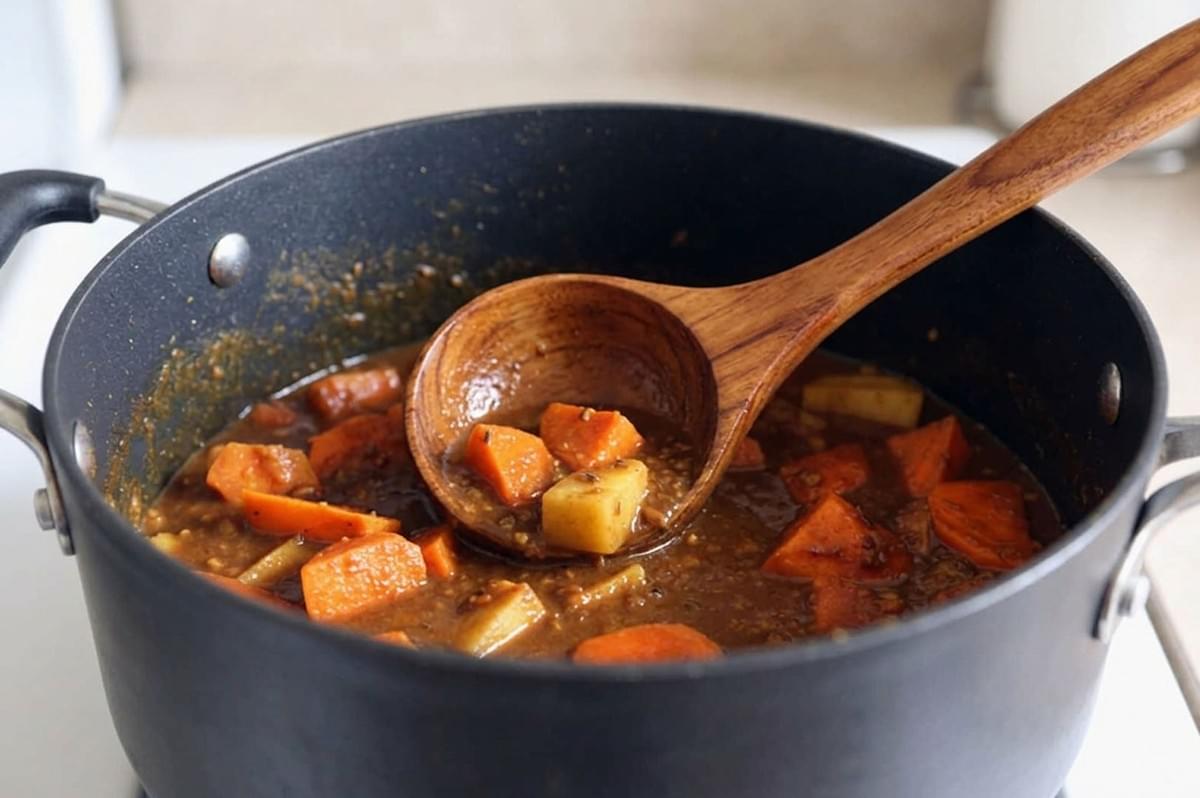
- How to avoid watery curry: Always turn the heat off before adding your roux blocks. Boiling water can cause the starches in the roux to clump up instead of dissolving smoothly.
- How to deepen flavor: Do not rush the onions. Letting them caramelize slightly before adding the meat creates a rich, sweet foundation for the sauce.
- How to keep potatoes from falling apart: Cut your potatoes slightly larger than your carrots. Carrots take longer to cook, so a larger potato chunk ensures everything finishes cooking at the exact same time without turning to mush.
Serving Suggestions
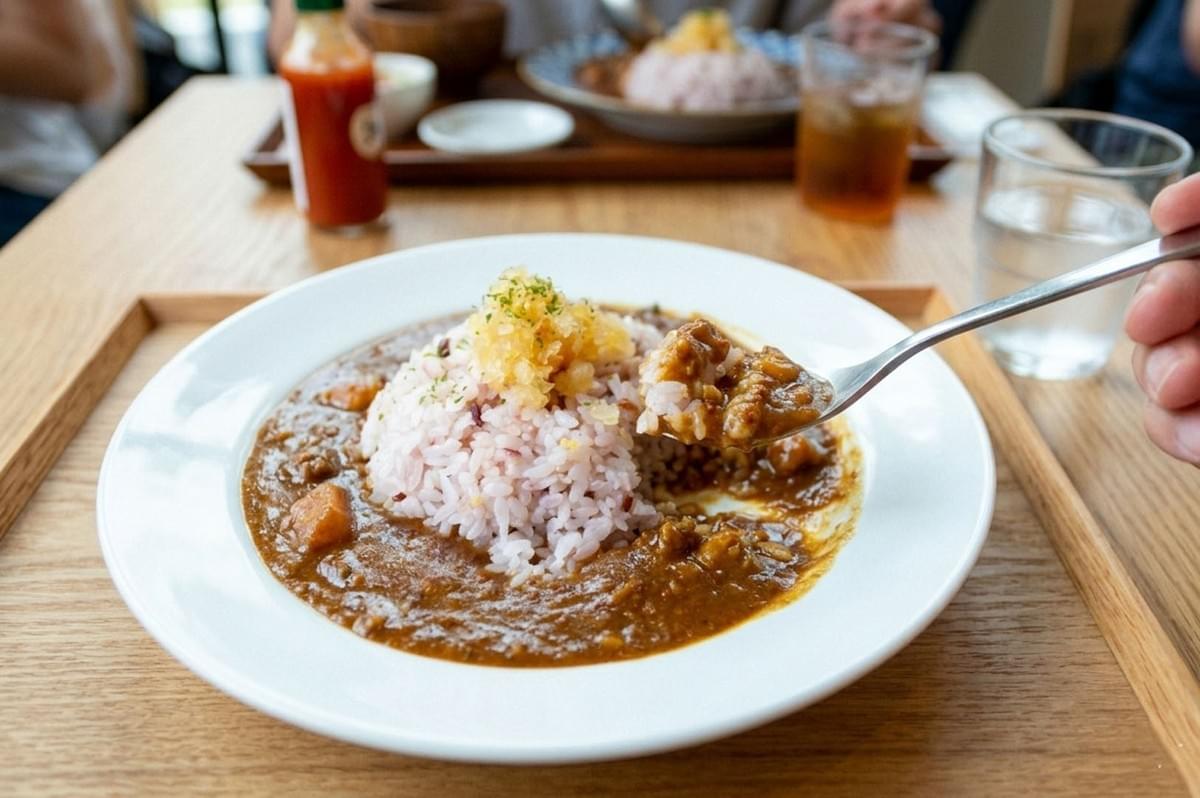
For a classic plating, scoop a generous mound of hot rice onto one half of a shallow bowl or plate. Ladle the bubbling curry onto the other half, letting it slightly overlap the rice.
To take your bowl to the next level, add a few toppings. A spoonful of bright red fukujinzuke (Japanese pickled radishes) adds a brilliant crunch and tangy contrast. You can also sprinkle on some freshly chopped scallions, serve it with a jammy soft-boiled egg, or add a side of crisp, shredded cabbage dressed with a light vinaigrette.
Storage and ReheatingPatience is a required ingredient. A ricotta cheesecake must cool completely at room temperature before it ever sees the inside of a refrigerator. Once cooled, wrap it tightly and chill it for at least six hours. Chilling solidifies the structure and allows the citrus and vanilla flavors to deepen and meld.
Storage and Reheating
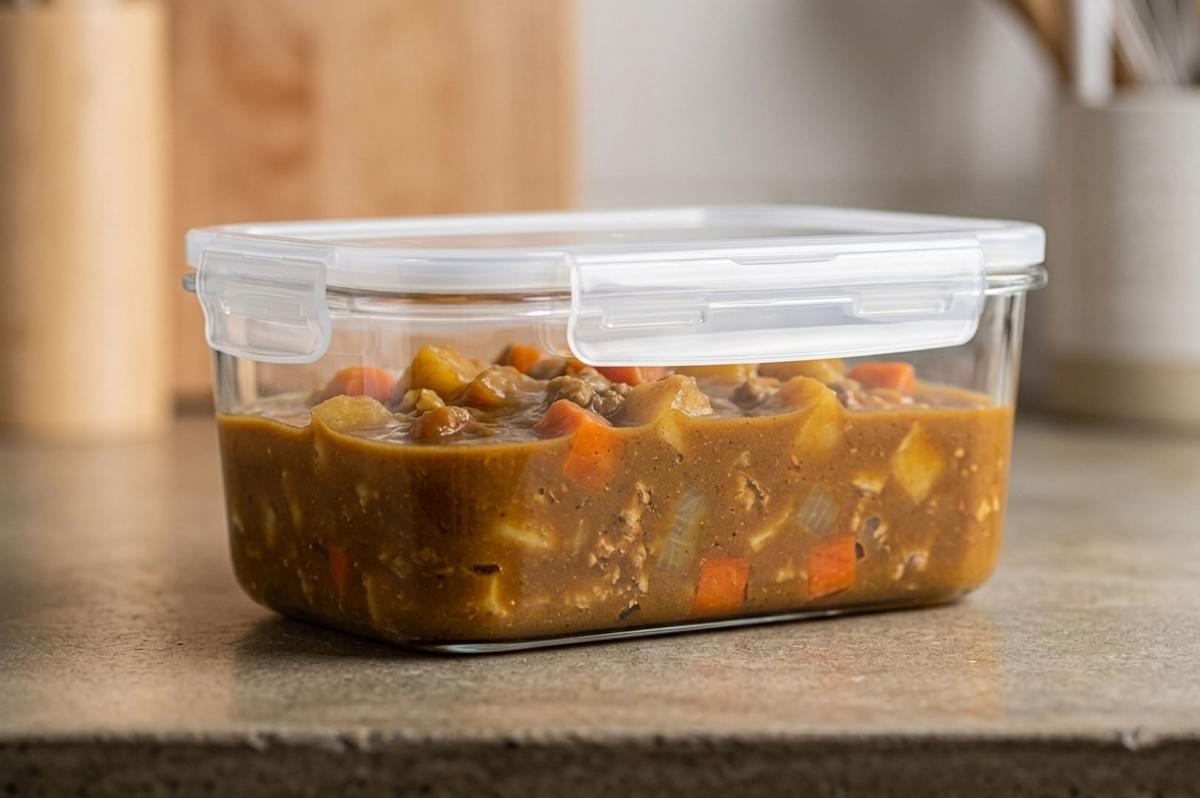
Here is the best news about Japanese curry. It actually tastes even better the next day. As it sits in the fridge, the spices mingle and the flavor deepens profoundly.
Store leftover curry in an airtight container in the refrigerator for up to 3 days. To reheat, simply warm it gently on the stove over medium-low heat. The sauce will thicken considerably in the fridge, so you may need to stir in a splash of water or broth to loosen it back to its original silky texture. You can also freeze the curry for up to a month, though keep in mind that frozen potatoes can sometimes become a bit grainy when thawed.
Frequently Asked Questions
Can I make it mild or spicy?
Boxed curry roux comes in different spice levels (mild, medium, and hot). If you are cooking for young children or prefer zero heat, grab the mild box. If you buy a medium box and want more fire, simply stir in a pinch of cayenne pepper or chili flakes while simmering.
Are there roux alternatives?
If you cannot find boxed roux, you can make your own. Melt 3 tablespoons of butter in a pan, whisk in 3 tablespoons of flour, and cook until it smells toasty. Then whisk in 1 tablespoon of curry powder and 1 tablespoon of garam masala before adding it to your stew.
Is this recipe gluten-free?
Most commercial boxed curry roux blocks contain wheat flour. To make this gluten-free, you will need to seek out a specifically labeled gluten-free roux block or make a homemade version using a gluten-free flour blend.
How do I make a vegetarian version?
Swap the chicken for extra-firm tofu or chickpeas. Use vegetable broth or water instead of chicken broth, and ensure your specific brand of boxed roux does not contain meat extracts (many do, so check the label carefully).
Now all that is left to do is grab a spoon. Enjoy the cooking rhythm, savor that incredible aroma, and dig into your cozy bowl of comfort!
