

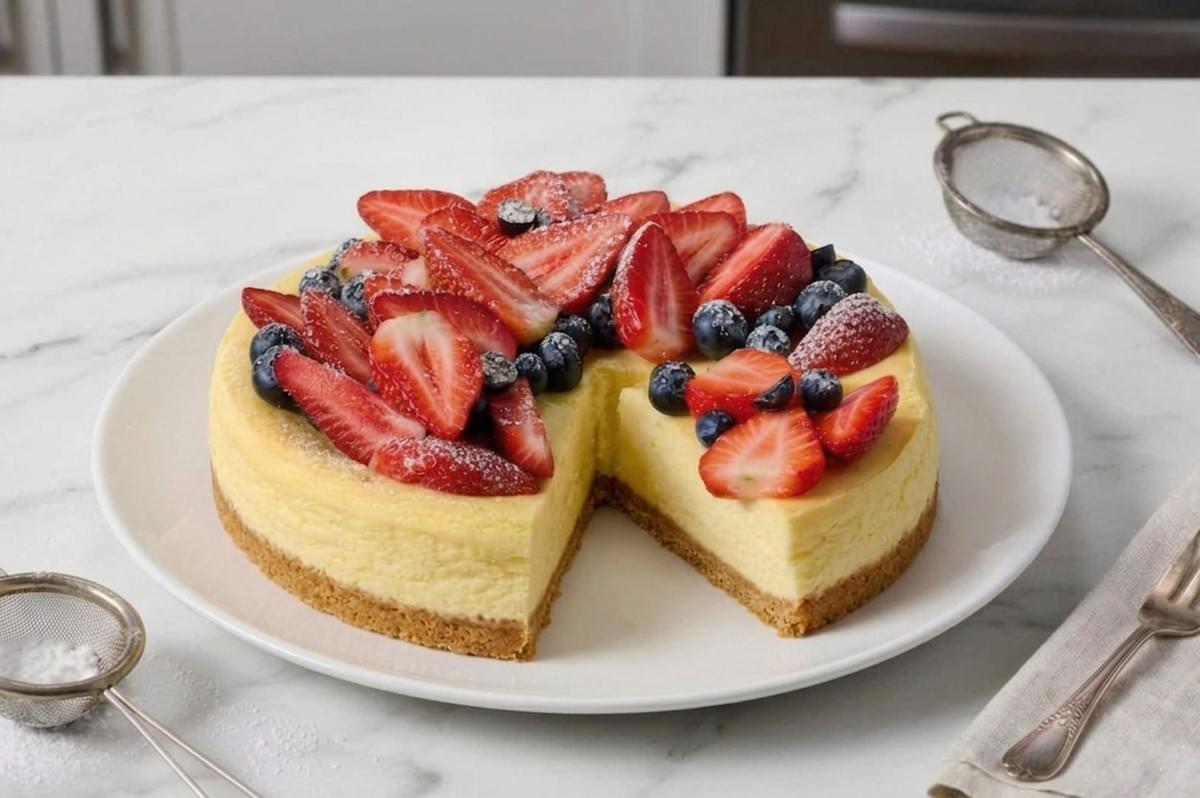
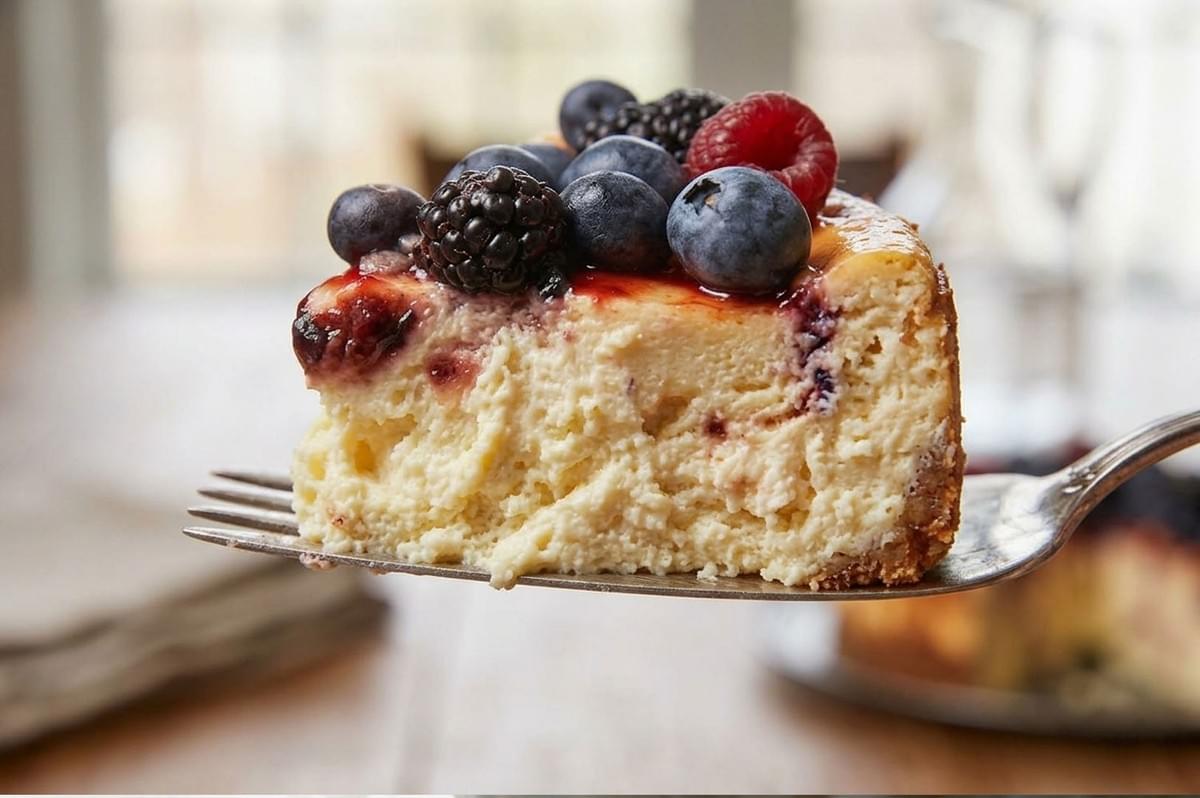
There is a quiet elegance to a beautifully baked ricotta cheesecake. While many modern desserts lean heavily on intense sweetness and heavy bases, this Italian-style slice offers a gentler experience. A fork sliding through a slice of ricotta cheesecake reveals a tender, cloud-like center that is fragrant with citrus and softly sweetened.
Rooted in traditional Italian baking, ricotta cheesecake celebrates the simple beauty of fresh dairy. It is a dessert that feels right at home on a rustic wooden table alongside a strong pot of coffee. Whether you are an experienced baker or trying your hand at European pastries for the first time, understanding the components of this creamy delight will elevate your dessert repertoire.
What Is Ricotta Cheesecake?
If your only experience with cheesecake is the classic New York style, your first bite of a ricotta cheesecake will be a delightful surprise. The two desserts share a name, but their personalities are entirely different.
New York cheesecake relies heavily on blocks of dense cream cheese, resulting in a rich, heavy, and highly tangy dessert that coats the palate. Ricotta cheesecake, by contrast, is much lighter. Because ricotta is made from whey rather than curds, it possesses a delicate, milky sweetness rather than an aggressive tang.
The crumb is noticeably different as well. While cream cheese yields a smooth, fudge-like interior, ricotta provides a slightly granular, tender crumb that feels lighter and less overwhelming after a large meal.
Key Ingredients and Why They Matter
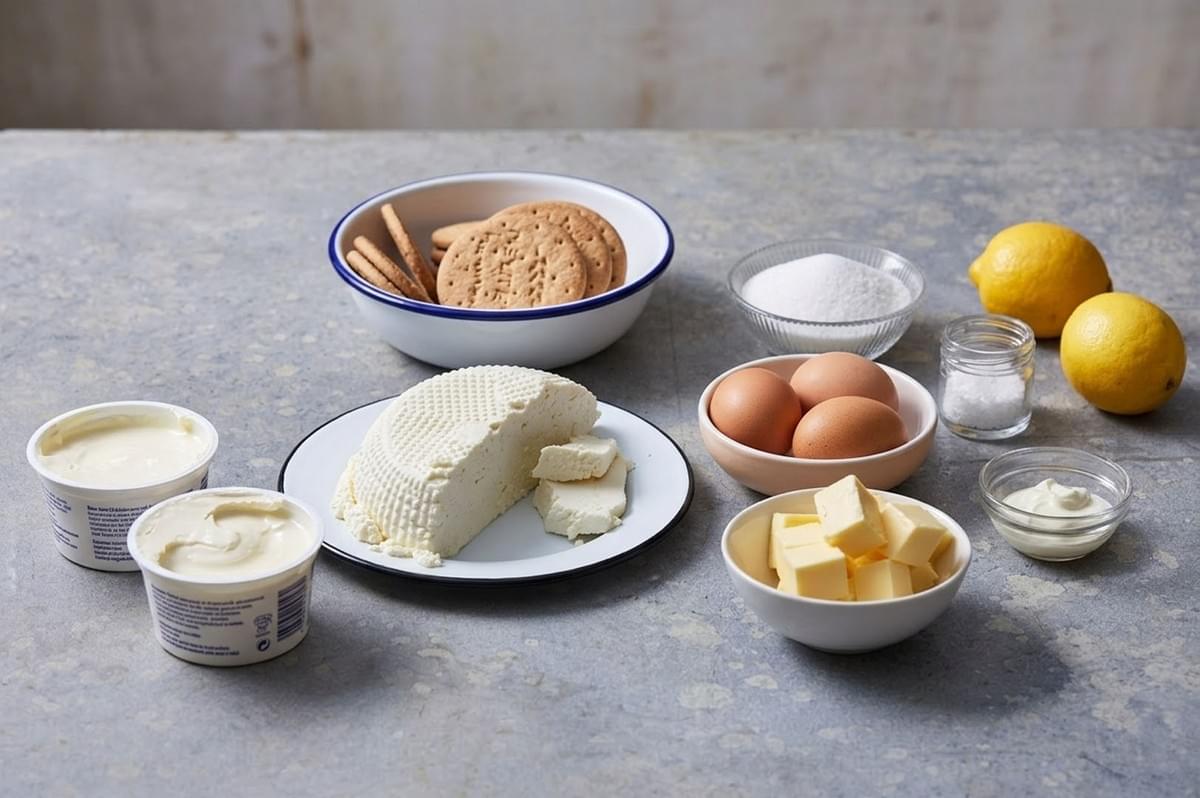
A dessert with such a subtle flavor profile leaves no room to hide poor-quality ingredients. Building the perfect Italian-style slice requires attention to a few foundational elements.
Ricotta
The star of the show dictates the entire texture of your cake. You will typically find two options at the market: whole milk and part-skim. Whole milk ricotta is essential for this recipe. The higher fat content provides the necessary richness to mimic that classic cheesecake satisfaction. Moisture is the variable you must manage closely, requiring proper draining before the cheese ever meets the mixing bowl.
Eggs
In a batter without heavy cream cheese to hold it together, eggs act as the architectural scaffolding. They provide structure, lift, and richness. The yolks add a pale golden hue to the batter, while the whites help the cheesecake puff up slightly in the oven before it settles into its final dense shape.
Sugar and Flavorings
Granulated sugar sweetens the batter, but the flavorings bring the cake to life. Vanilla extract is traditional, but citrus zest is what truly makes this dessert sing. Freshly grated lemon or orange zest cuts through the dairy, adding a bright, aromatic lift to every bite. Some traditional recipes also fold in a handful of mini dark chocolate chips for a welcome textural contrast.
Optional Add-ins
While beautiful on its own, ricotta cheesecake welcomes simple additions. Fresh berries can be folded into the batter, or you can stir in toasted almonds and bits of candied citrus peel for a festive, textural crunch.
Crust Options
The foundation of your slice can vary based on your preferences.
- Pastry crust: Traditional Italian recipes often use pasta frolla, a sweet shortcrust pastry that encases the bottom and sides.
- Biscuit or graham style: A crushed cookie crust mixed with butter provides a familiar, easy-to-make base.
- Crustless: Many bakers prefer to skip the crust entirely, relying on a generously buttered pan to create a slightly caramelized exterior that holds the slice together.
Texture and Flavor Profile
What should you expect from the first bite? The texture should be soft, yielding, and just slightly textured. It lacks the sticky density of an American cheesecake, opting instead for a melt-in-the-mouth lightness. The flavor is a sophisticated balance of sweet milk, warm vanilla, and the bright, floral notes of citrus zest. It is a dessert that comforts rather than overwhelms.
How to Choose the Best Ricotta (and Prep It)
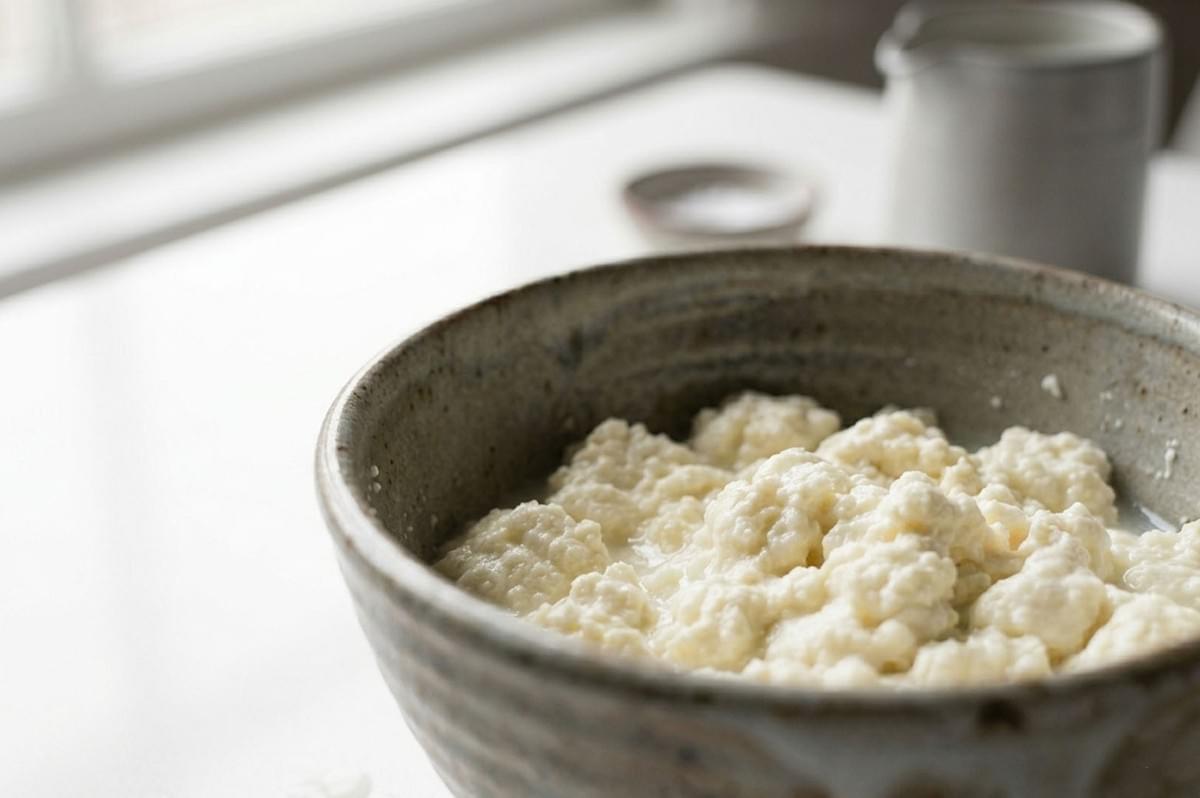
Securing the best possible ricotta is the most crucial step in your baking process.
Seek out high-quality, whole milk ricotta from a local dairy or Italian market if possible. Commercial grocery store brands often contain stabilizers and excess water. Once you have your cheese, you must drain it. Even the best ricotta holds hidden moisture that can ruin your cake. Line a fine-mesh sieve with cheesecloth, place the ricotta inside, and set it over a bowl in the refrigerator for at least four hours (or preferably overnight).
When you are ready to mix your batter, you face a textural choice. For a rustic, traditional crumb, simply whisk the drained ricotta by hand. If you prefer a smoother, silkier finish that mimics cream cheese, pulse the drained ricotta in a food processor for thirty seconds before adding your other ingredients.
Baking Tips for a Smooth, Tender Slice
Baking a cheese-based dessert requires a gentle touch and temperature control.
Oven temperature approach: A moderate oven is your best friend. Baking at 325 degrees Fahrenheit (165 degrees Celsius) allows the eggs to set slowly without curdling the dairy. High heat will cause the edges to rapidly puff and dry out before the center has a chance to cook.
Water bath vs no water bath: A water bath (bain-marie) surrounds the cake pan with boiling water, providing gentle, even heat. This is often used for New York style cakes to prevent browning. However, rustic ricotta cheesecakes are often baked without a water bath. The dry heat encourages a beautifully caramelized, slightly puffed exterior that deflates into a charmingly rustic top. Choose the water bath only if you want an impeccably pale, perfectly smooth surface.
Avoiding cracks: Cracks are completely normal in Italian cheesecakes, adding to their rustic charm. However, to minimize them, avoid overmixing your eggs (which beats excess air into the batter) and do not overbake. When the cake is done, turn off the oven, prop the door open slightly, and let the cake cool inside for an hour. This gradual temperature shift prevents the sudden shock that causes deep fissures.
Cooling and Chilling Guidance
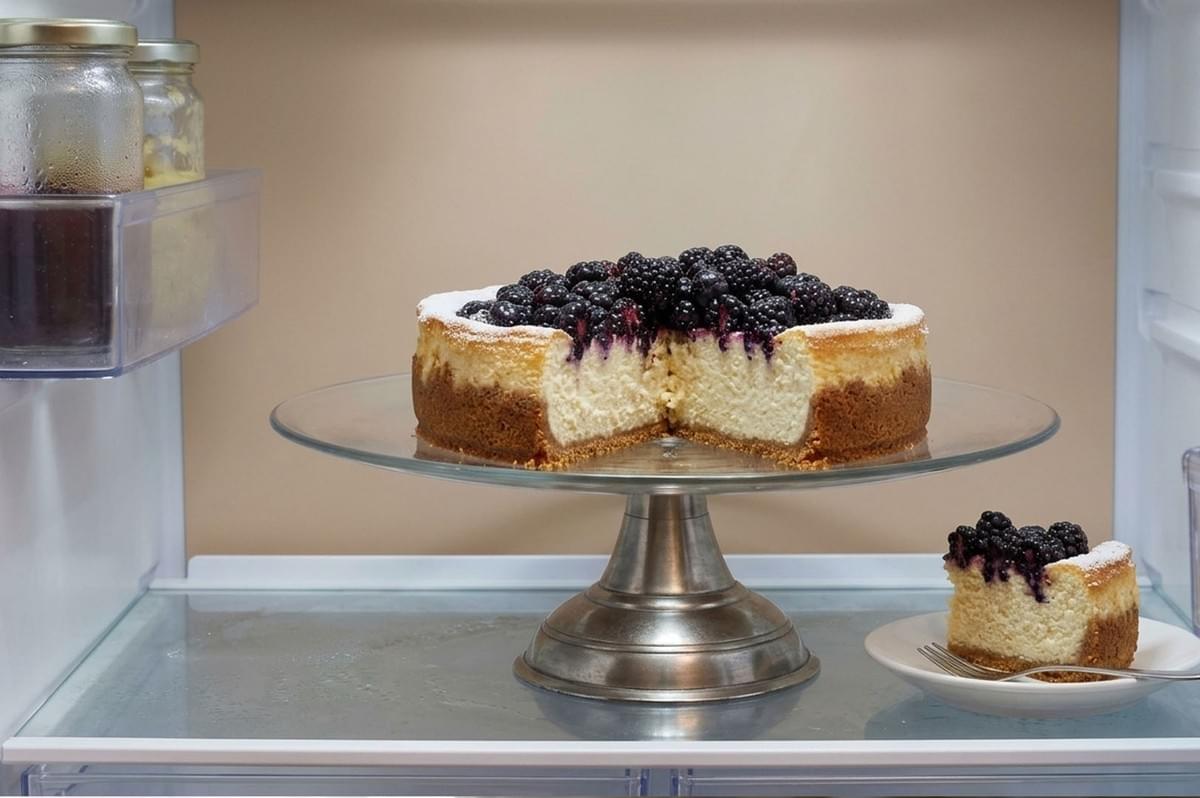
Patience is a required ingredient. A ricotta cheesecake must cool completely at room temperature before it ever sees the inside of a refrigerator. Once cooled, wrap it tightly and chill it for at least six hours. Chilling solidifies the structure and allows the citrus and vanilla flavors to deepen and meld.
Serving and Pairing Ideas
When it is time to serve, keep the accompaniments simple to let the delicate flavors shine.
- Espresso: A hot, bitter shot of espresso is the ultimate companion to a slice of sweet ricotta cake.
- Fruit compote: Spoon a gently simmered cherry or blueberry compote over the top for a tart contrast.
- Honey and citrus: A light drizzle of warm honey and a few segments of fresh orange elevate the dessert effortlessly.
- Dusting sugar: A simple snowfall of powdered sugar just before serving is often all this cake truly needs.
Storage and Make-Ahead Tips
Ricotta cheesecake is an ideal make-ahead dessert. It tastes significantly better on the second day after the flavors have had time to mature. Store the baked and chilled cake in the refrigerator, covered tightly with plastic wrap or in an airtight container, for up to four days.
While you can freeze ricotta cheesecake, the texture may become slightly more granular once thawed. If you choose to freeze it, wrap individual slices tightly in parchment paper and foil, and consume them within one month.
Common Mistakes and Fixes
Even careful bakers run into occasional issues. Here is how to navigate the most common pitfalls.
Grainy texture: This usually occurs if the eggs were overcooked due to a high oven temperature, or if you used a low-fat ricotta with too many stabilizers. Next time, use whole milk ricotta and consider blending it until smooth before baking.
Watery filling: If liquid seeps from your cake after cutting, the ricotta was not drained thoroughly. Always drain your cheese overnight in a cheesecloth-lined sieve.
Overbaking: An overbaked cake will feel rubbery and dry. Pull the cake from the oven when the outer edges are set and slightly golden, but the inner two inches still wobble like set gelatin.
Underbaking: If the cake collapses into a wet puddle upon slicing, it was pulled too early. Ensure your oven is properly calibrated with an oven thermometer and look for slightly puffed edges before turning off the heat.
FAQ
Can I use part-skim ricotta?
While possible, it is not recommended. Part-skim ricotta lacks the fat necessary to create a rich, satisfying texture and often results in a watery, bland slice.
Do I have to use a crust?
No. Many authentic Italian recipes skip the crust entirely. Just ensure your springform pan is generously buttered and lined with parchment paper to prevent sticking.
Why did my cheesecake sink in the middle?
All ricotta cheesecakes puff up in the oven and sink slightly as they cool. This is a natural result of the eggs losing heat. Severe sinking, however, is usually caused by opening the oven door too early or over-whipping the batter.
Can I add lemon juice to the batter?
It is best to rely on lemon zest for flavor. Adding acidic juice can alter the pH of the batter and cause the dairy to curdle, ruining the smooth texture.
How do I get clean slices?
Chill the cake thoroughly. When ready to serve, dip a sharp, thin knife into a tall glass of very hot water, wipe the blade dry, and slice. Repeat this process for every single cut.
A Slice of Italian Comfort
Baking a ricotta cheesecake is an exercise in culinary restraint. It does not require complicated layers, heavy frostings, or overwhelming sweetness to make an impact. Instead, it relies on the gentle harmony of good dairy, fresh citrus, and a little bit of patience.
The next time you find yourself craving a dessert that feels simultaneously comforting and refined, skip the heavy cream cheese and embrace the delicate, rustic charm of this classic Italian-style slice.
